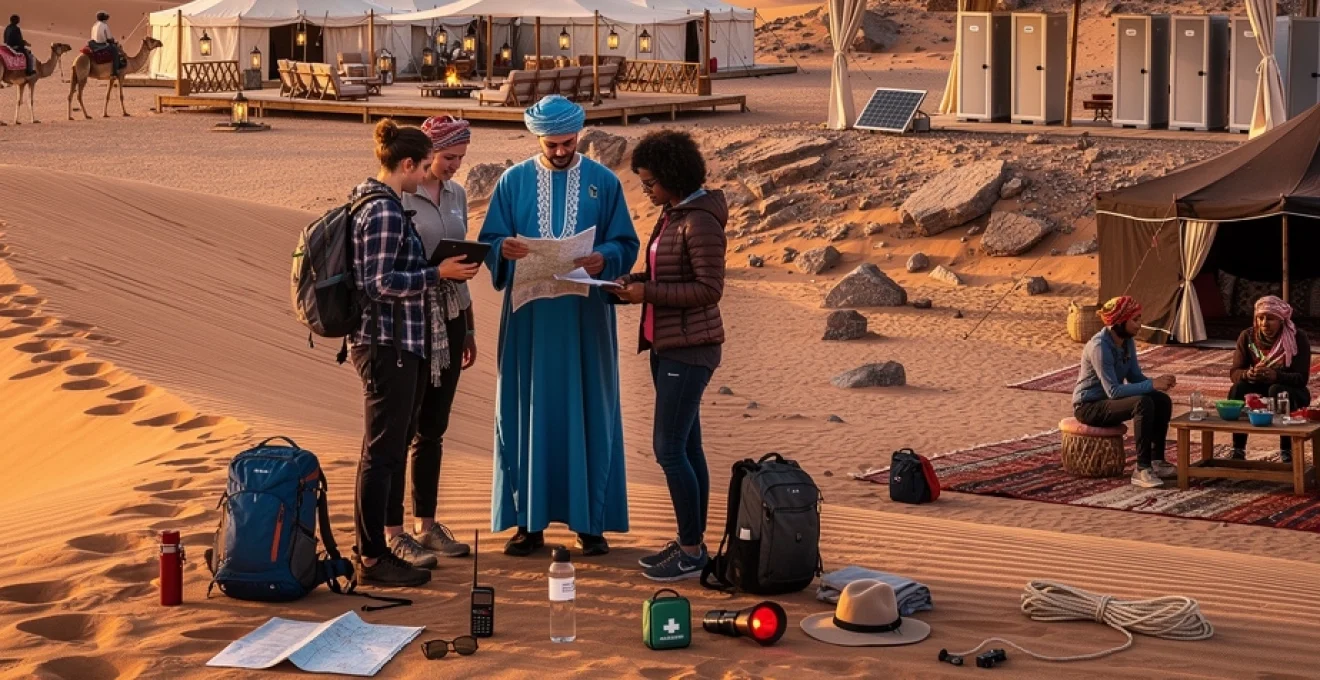
Morocco’s Sahara Desert represents one of the world’s most extraordinary destinations for authentic cultural immersion and breathtaking natural beauty. The vast expanse of golden dunes, stretching endlessly across the horizon, offers travellers an unparalleled opportunity to disconnect from modern life whilst experiencing the timeless traditions of Berber nomadic culture. Desert camping in Morocco has evolved from basic bivouac experiences to sophisticated luxury accommodations, catering to diverse preferences and budgets whilst maintaining the mystical allure that has captivated explorers for centuries.
Choosing the right desert camp experience requires careful consideration of numerous factors, from location and amenities to cultural authenticity and seasonal timing. The difference between a memorable adventure and a transformative life experience often lies in understanding the nuances of Morocco’s desert regions, accommodation standards, and the intricate logistics of desert travel. Whether you seek the raw authenticity of traditional Berber camps or the refined comfort of luxury bivouacs, proper preparation and informed decision-making will ensure your Sahara experience exceeds expectations.
Essential desert camp selection criteria in morocco’s sahara regions
The foundation of any successful desert camping experience begins with selecting the appropriate camp based on your specific requirements and expectations. Morocco’s desert regions offer distinctly different experiences, each with unique characteristics that appeal to various traveller profiles. Understanding these differences enables informed decision-making that aligns with your adventure goals, comfort preferences, and cultural interests.
Location accessibility plays a crucial role in determining your overall experience quality. Camps situated deeper within the dune systems provide greater isolation and authentic desert atmosphere, whilst those closer to gateway towns like Merzouga or M’hamid offer easier logistics and potentially better infrastructure. The trade-off between accessibility and authenticity requires careful consideration based on your mobility, time constraints, and desire for genuine wilderness immersion.
Erg chebbi vs erg chigaga: comparative analysis of dune accessibility
Erg Chebbi, located near Merzouga, stands as Morocco’s most accessible and developed desert camping destination. The dune system spans approximately 50 kilometres north to south and reaches widths of up to 5-10 kilometres, creating an impressive landscape of towering sand formations that can exceed 150 metres in height. The proximity to established infrastructure makes Erg Chebbi ideal for first-time desert visitors or those with limited mobility considerations.
Erg Chigaga presents a more remote and challenging alternative, situated near M’hamid el Ghizlane in southwestern Morocco. This dune system extends roughly 40 kilometres and requires longer transfer times, often involving 4×4 vehicle access across varied terrain. The increased isolation provides enhanced authenticity and reduced tourist density, appealing to adventurers seeking genuine wilderness experiences away from mainstream tourism circuits.
The journey to Erg Chigaga typically involves traversing the dried lake bed of Lac Iriqui and navigating rocky plateaus before reaching the dramatic sand dunes. This extended approach creates anticipation and provides diverse landscape experiences, from reg (stone desert) to erg (sand dunes), offering comprehensive Sahara ecosystem exposure.
Luxury bivouac standards in merzouga and m’hamid desert camps
Luxury desert camps in both regions maintain sophisticated standards that rival high-end hotels whilst preserving authentic Berber architectural aesthetics. Premium accommodations typically feature spacious canvas tents with traditional Moroccan furnishings, private ensuite facilities, and climate control systems powered by solar energy or generators. These camps invest significantly in staff training, ensuring exceptional service delivery even in remote desert locations.
The distinction between standard and luxury accommodations becomes apparent in details such as linen quality, bathroom facilities, dining experiences, and personalised services. Luxury bivouacs often provide individual butler services, gourmet cuisine prepared by professional chefs, and curated activity programmes that extend beyond basic camel trekking to include astronomy sessions, traditional music performances, and cultural workshops.
Infrastructure reliability represents a critical factor in luxury camp selection. Superior camps maintain backup power systems, water purification facilities, and communication equipment for emergency situations. These operational considerations become particularly important during extreme weather conditions or peak season periods when resource demands increase substantially.
When comparing Morocco desert camps, it is worth asking detailed questions about water sourcing, waste management, and energy usage. Well-managed luxury bivouacs in Merzouga and M’hamid typically use deep wells or trucked-in potable water and have clear policies on grey water disposal, which helps protect fragile desert ecosystems. You can also look for camps that employ local Berber staff on fair contracts and source food from nearby communities, as this ensures your stay supports, rather than strains, the local economy. In short, a truly high-end Morocco Sahara desert camp combines comfort, safety, and ethical operations in equal measure.
Seasonal availability and weather impact assessment for desert accommodations
Seasonality has a significant impact on both the comfort and availability of desert camps in Morocco. The most popular periods are spring (March–May) and autumn (late September–November), when daytime temperatures are warm but manageable and nights are pleasantly cool. During these shoulder seasons, luxury desert camps in Erg Chebbi and Erg Chigaga may sell out weeks or months in advance, especially around Easter and school holidays, so early planning is essential if you have fixed dates.
Summer in the Sahara, particularly from June to August, brings extreme daytime heat that can regularly exceed 45°C (113°F). Many standard desert camps reduce operations or close entirely during the hottest weeks, while some luxury bivouacs continue to operate thanks to improved ventilation and, in a few cases, powered cooling systems. Even if you tolerate heat well, you should expect very early morning and late afternoon activities, long midday rest periods, and a heightened focus on hydration and sun protection when camping in the Moroccan desert in summer.
Winter (December–February) offers crystal-clear skies and quieter camps but can surprise visitors with how cold it feels, especially before sunrise and after dark. Night-time temperatures can drop close to freezing, and occasional rain or windstorms may temporarily disrupt activities, particularly in the reg desert around M’hamid. When assessing weather impacts, ask your chosen camp how they handle sandstorms, heavy rain, or cold snaps: reputable operators will have flexible itineraries, additional blankets and layers on hand, and backup transfer options if conditions make camel trekking unsafe.
Storm frequency is generally low across the year, but short-lived sandstorms can occur, particularly in late spring and early summer. They rarely last more than a few hours yet may delay your arrival at the camp or slightly alter your programme. A well-prepared Morocco desert camp will provide protective eyewear or scarves, secure tent structures against high winds, and clear communication about any changes. Understanding these seasonal patterns allows you to choose the best time to visit the Sahara desert in Morocco based on your tolerance for heat, cold, and crowds.
Authentic berber camp certification and cultural immersion programmes
Many travellers prioritise staying in an “authentic Berber camp” in Morocco, but the term itself is not strictly regulated. Instead of relying solely on marketing language, look for concrete indicators of authenticity and community involvement. Camps that are owned or co-owned by local families, employ staff from nearby villages, and use traditional materials such as woven wool, palm matting, and local stone for communal areas are generally more rooted in the indigenous culture of the Sahara. Some regions, particularly around Merzouga and M’hamid, have informal networks and local associations that promote ethical and authentic desert camping; reputable agents can point you towards these.
Cultural immersion in Morocco’s desert camps often goes beyond a single music performance around the campfire. More comprehensive programmes may include bread-baking demonstrations in sand ovens, Amazigh (Berber) language introductions, storytelling sessions about caravan routes, or visits to nomadic families still living semi-traditional lives. These experiences help you understand the realities behind the romantic image of the Sahara and give you a deeper connection to the people who call this environment home. Ask potential camps what specific cultural activities they offer and whether participation supports local artisans or guides directly.
Another useful sign of an authentic Berber desert camp is transparency about religious and social customs. For instance, your hosts might explain prayer times, fasting periods during Ramadan, or the significance of tea ceremonies, inviting you to observe respectfully or join in. Well-run camps will never “stage” poverty or hardship for entertainment; instead, they present daily life as it is, with pride but without embellishment. If you value meaningful cultural exchange, prioritise camps where interaction with hosts feels like a conversation between guests and residents, not a scripted show.
Advanced booking strategies for moroccan desert camp experiences
Securing the best possible experience in a desert camp in Morocco requires more than simply picking a date and clicking “book now.” Because Sahara itineraries involve long transfers, limited accommodation capacity, and weather-dependent activities, thoughtful planning can significantly enhance both value and enjoyment. Before committing, clarify your priorities: is your main goal to sleep under the stars, to maximise photography opportunities, or to experience Berber culture in depth? Once you know what matters most, you can choose the booking route, timing, and group configuration that matches your expectations and budget.
Direct vs tour operator reservations: cost-benefit analysis
One of the first decisions you will face is whether to book your Morocco desert camp directly or through a tour operator or travel agency. Direct reservations with a camp or local driver can sometimes yield lower prices, especially for standard bivouacs close to Merzouga, because there are fewer intermediary commissions. You may also have more flexibility to customise small details such as meal times, side trips to oases, or sunrise versus sunset camel rides. Direct communication with the camp can be particularly valuable if you have specific dietary requirements or mobility constraints that need careful coordination.
On the other hand, reputable tour operators bring several advantages that go beyond pure price comparison. They typically bundle transport from cities like Marrakech or Fes, accommodation en route, and desert camping into a single, coherent itinerary. This integrated approach reduces the risk of missed connections or miscommunication between your riad, driver, and camp, which can be a real concern given the long distances and limited mobile coverage in some regions. For travellers short on time or unfamiliar with Morocco, a curated Morocco desert tour can feel like having a logistics expert on your side.
There is also a middle path: using a specialised Morocco desert travel agency that works closely with a small number of vetted camps in Erg Chebbi and Erg Chigaga. These agencies often negotiate better rates than you could secure alone while also maintaining quality control over the experiences they sell. When comparing options, look beyond the headline price and ask what is included: transfers, meals, activities, local guides, park fees, and tips can quickly add up. The most cost-effective choice is usually the one that minimises hidden extras and aligns closely with the level of comfort and independence you want.
Peak season pricing dynamics during ramadan and european holidays
Pricing for Morocco desert camps is strongly influenced by demand patterns tied to European holidays and local religious observances. Christmas, New Year, Easter, and major school holiday periods in Europe often see the highest rates, particularly for luxury Sahara camps that cater to international guests. During these weeks, the best-positioned camps in Merzouga and M’hamid may require a minimum stay or charge supplements for private transfers and exclusive activities. If you plan to travel in peak season, booking several months in advance is advisable, especially for small groups or families wanting adjacent tents.
Ramadan introduces a different dynamic. Many travellers assume the country “shuts down,” but in reality, tourism continues, albeit with some adjustments. In cities and along main routes, opening hours for restaurants and shops can shift, and some staff may be fasting during the day, which can slightly affect service rhythms. Interestingly, some desert camps use Ramadan as a quieter period with moderate prices, while others close temporarily or reduce programming. If you travel during Ramadan, you may benefit from lower occupancy and more intimate cultural experiences, provided you are flexible and respectful of the fasting month.
Shoulder periods between school holidays and outside major religious festivals often offer the best balance of price and availability for a Sahara desert tour. If your dates are flexible, you can ask camps or agents for “value windows” when temperatures are pleasant but demand is lower, for example early March or late November. Being open to midweek arrivals instead of weekends can also reduce costs, as drivers and camps may be able to offer small discounts when they are not already at capacity. Think of the booking calendar like the tides: by moving your plans a few days either way, you can often avoid the highest waves of demand.
Cancellation policies for weather-dependent desert expeditions
Because desert conditions can change quickly, understanding cancellation and modification policies is critical before you commit to a Morocco desert camp. Most reputable operators outline specific terms related to weather disruptions, road closures, or safety concerns, which may include rerouting, postponing, or partially refunding itineraries. While truly severe events are rare, occasional flash floods in mountain passes or strong sandstorms can delay transfers from Marrakech or Fes, affecting your arrival time at the camp. Clarify in advance who bears the cost of extra hotel nights or alternative transport if such situations arise.
From your side as a traveller, standard cancellation windows often range from 7 to 30 days before arrival, with stricter conditions for peak-season bookings or exclusive-use reservations. Some luxury bivouacs in Erg Chigaga, for instance, may require non-refundable deposits because of the logistical effort involved in provisioning remote camps. To protect your investment, consider comprehensive travel insurance that explicitly covers trip interruption and cancellation for weather-related reasons, not only medical emergencies. The desert may look calm, but like the sea, it demands respect and a margin of safety in your planning.
A practical strategy is to build one “buffer day” into your broader Morocco itinerary, either just before or just after your Sahara trip. This flexibility allows for minor schedule changes if your camel trek needs to be brought forward or delayed due to forecast winds or extreme temperatures. When you make your booking, ask the camp how they communicate last-minute updates—via WhatsApp, email, or through your driver or agency. Clear, proactive information in both directions reduces stress and ensures that even if plans shift, you still get the desert experience you travelled for.
Group size optimisation for camel trekking and camp activities
Group size has a subtle but important effect on your comfort, cost, and overall experience in a desert camp in Morocco. Smaller groups—typically between two and six people—often enjoy more personalised guiding, quieter evenings around the fire, and greater flexibility in adjusting activity times for photography or stargazing. You may, for example, be able to extend your camel trek slightly, linger longer on a viewpoint dune, or request specific dishes if the kitchen is cooking for fewer guests. For couples or friends seeking a more contemplative Sahara experience, paying a small premium for a smaller group can be worth it.
Larger groups, such as families travelling together or small tour groups of 10–16 people, benefit from economies of scale and a more social atmosphere. Shared costs can make upgrades to luxury desert camps more affordable per person, and collective energy around the campfire can be memorable. That said, bigger groups require more coordination: camel lines are longer, photo stops take more time, and mealtimes are less flexible. If you join a fixed departure tour, ask how many guests they typically take and how they manage subgrouping for activities like sandboarding, music sessions, or guided walks.
For photographers or travellers with specific interests such as astronomy, wellness, or birdwatching around oasis areas, semi-private or private arrangements provide the best balance between cost and control. You might share the main camp infrastructure but have a dedicated guide or a customised timetable. When booking, be honest about your preferences: do you want a lively evening of drumming with lots of fellow guests, or would you prefer near silence under the stars? Optimising group size is a bit like choosing between a boutique hotel and a resort; both can be excellent, but one will suit your style better.
Technical preparation requirements for sahara desert camping
Beyond choosing the right Morocco desert camp and booking strategy, your own technical preparation plays a major role in how comfortable and safe you feel in the Sahara. Unlike a typical hotel stay, desert camping involves exposure to temperature extremes, limited shade during transfers, and periods without immediate access to shops or pharmacies. Think of it as a remote hike combined with a cultural immersion: you will not need professional expedition gear, but a thoughtful packing list and basic physical readiness will make your stay significantly more enjoyable.
Start with clothing systems rather than single outfits. Light, breathable layers for daytime, such as long-sleeved shirts and loose trousers in natural fibres, protect you from sun and sand while keeping you surprisingly cool. For evenings, pack at least one warm layer—a fleece or light down jacket—and socks, even in seasons that feel hot during the day, as desert temperatures can drop quickly after sunset. Closed shoes or lightweight hiking boots are helpful for rocky approaches around M’hamid and Erg Chigaga, while simple sandals can be used in camp; walking barefoot on dunes is pleasant but the sand can be scorching at midday.
Technical accessories are equally important. A wide-brimmed hat, high-quality sunglasses with UV protection, and a large scarf or cheche to wrap around your head and face will make long camel rides and 4×4 transfers far more comfortable. For sun-sensitive travellers, UPF-rated clothing, high-SPF sunscreen, and lip balm are non-negotiable. A compact headlamp or torch with spare batteries is essential for navigating between your tent and the communal areas after dark, particularly in standard camps where lighting is deliberately kept low to preserve the night sky.
Hydration and basic medical readiness deserve special attention. Even in cooler months, the dry desert air and constant breeze increase water loss, so carrying a refillable bottle and using electrolyte tablets can help prevent headaches and fatigue. Camps usually provide safe drinking water, but it is wise to bring any personal medication, a small first-aid kit, and travel-sized hand sanitiser and wet wipes, as you cannot rely on finding a pharmacy nearby. If you wear contact lenses, consider switching to glasses for the desert portion of your trip to avoid irritation from fine sand.
For travellers interested in photography or astronomy, a few additional technical items can elevate the experience. A lightweight tripod, extra camera batteries, and ample memory cards will help you capture sunrise over the dunes or the Milky Way on clear nights. Some luxury desert camps in Morocco provide telescopes or binoculars, but having your own compact binoculars can enhance both stargazing and wildlife spotting near oases. Remember that electricity may be limited, so bring a power bank or solar charger and consider switching devices to airplane mode overnight to conserve battery.
Navigating camp amenities and infrastructure in remote desert locations
A clear understanding of what facilities are—and are not—available in Morocco’s desert camps helps you adjust expectations and pack accordingly. Even in luxury bivouacs, the infrastructure is shaped by remoteness, limited water resources, and a desire to preserve the natural environment. You may find beautifully appointed tents with high-quality linens and ensuite bathrooms, yet still rely on solar power, satellite connections, and carefully managed water tanks. Rather than seeing this as a limitation, think of it as part of the experience of living gently in the Sahara.
Accommodation standards vary from simple shared tents with communal bathrooms to fully equipped private suites with hot showers and flushing toilets. Standard camps around Merzouga often provide basic yet comfortable mattresses, thick blankets, and shared washing facilities, sometimes with limited hot water during peak hours. In contrast, luxury desert camps near Erg Chebbi and Erg Chigaga may offer king-size beds, high thread-count sheets, and dedicated shower areas inside each tent. When booking, ask for clear descriptions or photos so you can match your expectations to the reality on the ground.
Power and connectivity are usually the most noticeable differences from city hotels. Many camps rely on solar panels or generators, which means electricity may be available only at certain times or limited to low-wattage devices. Charging stations are often located in communal tents rather than individual rooms, and heavy-use appliances such as hairdryers are generally discouraged or not permitted. Mobile reception in Merzouga is usually stronger than in the remote areas around M’hamid and Erg Chigaga, where you should expect intermittent coverage at best. Consider your time in the desert a chance to disconnect, and let family or colleagues know that you may be offline for 24–48 hours.
Food and beverage services in desert camps in Morocco tend to focus on hearty, locally inspired dishes designed to be both comforting and practical in a remote setting. Expect tagines, grilled meats, vegetable couscous, fresh bread, and seasonal salads rather than extensive hotel-style buffets. Many camps can cater to vegetarians and, with advance notice, to vegan, gluten-free, or other dietary needs, but options will naturally be more limited than in major cities. Alcohol availability varies: some luxury camps allow guests to bring their own wine or beer, while others have small licensed bars; it is wise to ask in advance if enjoying a drink under the stars is important to you.
Finally, remember that even the most luxurious Sahara desert camp operates within environmental constraints. Water may be heated by solar boilers, meaning the hottest supply is available after midday, and towels are often changed on request rather than daily to reduce consumption. Waste is carefully managed and removed from the site, so recycling options may be limited but littering is strongly discouraged. By aligning your habits with these realities—shorter showers, mindful electricity use, and reduced plastic waste—you help ensure that the magic of the Moroccan desert remains intact for future travellers and the communities who call it home.
Cultural protocols and etiquette for berber desert camp interactions
Spending time in a desert camp in Morocco is not only about landscapes; it is also an invitation into the daily rhythms of Berber culture. A few simple etiquette guidelines will help you build genuine connections with your hosts and avoid unintentional offence. As a rule of thumb, approach interactions with curiosity, humility, and patience. You will find that a few words of Tamazight or Arabic, combined with smiles and open body language, often create bridges where language skills fall short.
Dress is one of the most visible aspects of cultural respect. While desert camps are used to international visitors and do not expect strict adherence to local dress codes, modest clothing—covering shoulders and thighs—is appreciated, especially in mixed company or when passing through villages en route. In camp, swimwear is acceptable around private pools in some luxury bivouacs, but a T-shirt and longer shorts or a light cover-up are advisable when moving between communal areas. This approach signals respect for local norms without sacrificing comfort in the heat.
When sharing meals, you will often encounter traditional Moroccan dining customs, such as communal dishes placed in the centre of the table. It is polite to wait until everyone is served or seated before beginning and to eat with your right hand if using bread to scoop food. Your hosts may pour tea several times a day; accepting at least one small glass when offered is a sign of friendliness, although you can politely decline further refills if you have had enough. Do not worry about getting every detail “right”—your effort to engage and ask questions is usually more important than perfect etiquette.
Photography requires particular sensitivity. The Sahara invites endless picture-taking, but not everyone is comfortable being in front of the camera. Always ask before photographing people, especially women and children, and be prepared to respect a “no” without pressing. Some camps also prefer that certain areas, such as private staff quarters or religious spaces, not be photographed. If you are unsure, simply ask your guide; they can indicate when and where taking photos is appropriate and may even help you capture better shots of daily life or night skies.
Finally, remember that you are a guest in a place where traditions and modern tourism coexist. Your hosts may be balancing the expectations of travellers with their own community responsibilities, prayer times, or family obligations. Greeting people when you arrive and leave, showing interest in their stories, and tipping fairly when service has been good all contribute to a respectful exchange. In many ways, navigating cultural etiquette in Morocco’s desert camps is like joining a family gathering for a night or two: small gestures of courtesy go a long way.
Safety protocols and emergency preparedness in moroccan desert environments
Safety in the Sahara is largely a matter of choosing reputable partners and following sensible guidelines, rather than facing constant danger. Well-established Morocco desert camps place guest welfare at the centre of their operations, with trained staff, maintained equipment, and clear emergency procedures. Before booking, you can ask specific questions about safety: vehicle maintenance schedules, guide certifications, first-aid training, and communication systems. The more transparent and confident the answers, the more reassured you can feel about your stay.
Most incidents in the desert are minor—sunburn, dehydration, or twisted ankles when descending dunes too quickly. To reduce these risks, follow your guide’s advice on footwear, pace, and hydration, and avoid exploring far from camp alone, especially at night. Camel trekking, while generally safe, does involve mounting and dismounting from tall animals; if you have back or knee issues, inform your guide so they can assist you and adjust the route or duration. Helmets are not standard but you should feel comfortable asking for extra support or shorter rides if needed.
More serious emergencies, though rare, are planned for through a combination of communication tools and evacuation options. Many camps in Erg Chebbi have mobile coverage and access to nearby clinics in Merzouga or Rissani, while more remote camps in Erg Chigaga may rely on satellite phones and 4×4 evacuation to the nearest town with medical facilities. Ask your camp whether they carry first-aid kits in vehicles and on treks, and whether staff have recent training in CPR and basic trauma care. Ultimately, your own travel insurance should include coverage for medical evacuation from remote areas.
Environmental hazards such as sandstorms or sudden temperature drops are managed through flexible itineraries and shelter protocols. If high winds are forecast, camps may recommend postponing dune walks or camel rides and keeping tent flaps secured to prevent sand ingress. In colder months, staff often check that guests have sufficient blankets and may provide hot water bottles or extra layers on request. Treat these precautions seriously; they are based on long experience in the desert and are designed to keep you comfortable as well as safe.
In the unlikely event of a broader emergency—such as road closures, regional weather disturbances, or political events—having booked through a reliable tour operator or agency adds an extra layer of support. They can coordinate rerouting, arrange alternative accommodation, and liaise with authorities if needed, which is difficult to manage alone when connectivity is patchy. By combining prudent camp selection, personal preparation, and straightforward communication with your guides, you can enjoy the profound tranquillity of the Moroccan Sahara with confidence, knowing that robust safety nets are quietly in place behind the scenes.