# How to Organize a Romantic Weekend That Feels Both Simple and Unforgettable
Planning a romantic weekend doesn’t require elaborate schemes or excessive spending—what transforms an ordinary getaway into something genuinely memorable is thoughtful attention to detail and intentional design. The couples who report the most satisfying weekend escapes aren’t necessarily those who splurged at five-star resorts, but rather those who approached their time together with strategic planning balanced against spontaneous flexibility. Research from relationship psychologists indicates that shared novel experiences strengthen romantic bonds more effectively than expensive but predictable routines. The challenge lies in creating a framework that allows both partners to disconnect from daily pressures whilst maintaining enough structure to prevent the weekend from dissolving into aimless wandering. This approach to romantic planning emphasizes quality over quantity, presence over performance, and genuine connection over Instagram-worthy moments.
Micro-moment planning: creating intimacy through strategic Time-Blocking
The architecture of an unforgettable romantic weekend begins with understanding that intimacy emerges not from grand gestures alone, but from the accumulation of carefully crafted micro-moments. Time-blocking serves as the invisible scaffolding that supports spontaneity rather than constraining it. Professional relationship counsellors increasingly recommend what they term “intentional presence intervals”—designated periods where both partners commit to being fully engaged without digital distractions or competing priorities. The paradox of romantic planning is that structure creates freedom: when you’ve allocated specific windows for connection, the anxiety of “are we making the most of this?” dissipates, allowing authentic engagement to flourish.
The 48-hour framework: structuring your weekend for maximum connection
A successful romantic weekend operates on what behavioural scientists call the “attention restoration cycle,” alternating between periods of shared engagement and individual decompression. The optimal 48-hour framework typically divides into six four-hour blocks, each with a distinct emotional purpose. Morning blocks (8am-12pm) excel for gentle awakening activities—breakfast in bed, leisurely walks, or quiet reading together—when cortisol levels naturally rise and cognitive function peaks. Afternoon segments (12pm-4pm) accommodate more active pursuits like exploring local markets, hiking scenic trails, or participating in creative workshops. Evening windows (4pm-8pm) transition toward intimate experiences: preparing meals together, visiting atmospheric venues, or enjoying golden-hour photography sessions. Night blocks (8pm-midnight) reserve space for the deeper conversations and physical intimacy that define romantic connection. This structure isn’t prescriptive but rather provides a rhythm that honours both partners’ energy fluctuations throughout the day.
Digital detox protocols: establishing Technology-Free zones and boundaries
The single most transformative decision couples make regarding weekend romance involves their relationship with technology. Neuroscience research demonstrates that even the presence of a smartphone reduces conversation quality and emotional intimacy, a phenomenon researchers term “iPhone effect.” Effective digital detox protocols don’t demand complete disconnection—which creates anxiety for many—but rather establish clear boundaries. Consider implementing a “phone basket” ritual: both devices go into a designated container during meals, evening activities, and the first hour after waking. For those concerned about emergencies, enable VIP notifications for immediate family whilst silencing all other alerts. Many couples report that using a traditional alarm clock rather than phone alarms eliminates the temptation to check messages upon waking. The goal isn’t punishment but presence—creating mental space where your attention genuinely belongs to your partner rather than fragmenting across multiple digital demands.
Spontaneity windows: scheduling unstructured time for organic moments
Counterintuitively, the most memorable romantic moments often emerge from deliberately scheduled unstructured time. Relationship researchers identify what they call “structured spontaneity”—consciously leaving gaps in your itinerary where serendipity can operate. These spontaneity windows function like white space in design: they provide breathing room that makes the structured elements more impactful. A well-designed romantic weekend might allocate 30-40% of waking hours as genuinely unplanned, allowing for extended conversations that naturally develop, unexpected discoveries whilst wandering unfamiliar streets, or simply the luxury of staying in bed longer than intended. The psychological benefit extends beyond the moment itself—unstructured time together builds what psychologists term “relational flexibility,” the
capacity to adapt together when plans shift. Think of these windows as emotional shock absorbers for your romantic weekend: they protect you from the pressure of constant optimisation and invite the kind of unscripted connection that most couples secretly crave but rarely create room for.
Energy mapping: aligning activities with your partner’s circadian rhythms
Beyond generic time-blocking, the most effective romantic weekends respect each partner’s natural energy patterns. Chronobiology research shows that “morning larks” and “night owls” not only function differently across the day but also experience pleasure and stress at different times. Before you book sunrise yoga or a late-night tasting menu, quietly observe when your partner tends to be most energised, reflective, or physically affectionate during a typical week. Then, map higher-intensity activities—like hikes, city exploration, or workshops—to shared peak energy windows, and reserve low-key experiences, such as hot-tub sessions or reading side by side, for your collective dips.
This kind of energy-aligned planning prevents one partner from dragging the other through an activity when they are biologically misaligned, which is a fast track to irritation rather than intimacy. For example, if your partner regularly hits an afternoon slump, scheduling a long museum visit for that period may produce quiet resentment rather than quiet appreciation. Instead, you might plan a nap, spa session, or simply an extended coffee break. When you treat the weekend like a personalised energy map rather than a generic itinerary, the same set of activities suddenly feels easier, more enjoyable, and far more romantic.
Destination selection psychology: proximity versus novelty balance
Once you understand how you want the weekend to feel in terms of rhythm and energy, the next question is where to experience it. The psychology of destination choice is often oversimplified as “go somewhere new,” but research on hedonic adaptation suggests that novelty and effort follow a curve: beyond a certain threshold, the strain of long travel undermines the benefits of a fresh environment. The most romantic weekends tend to strike a balance between psychological distance (the sense of being away from daily life) and logistical simplicity (the ease of getting there). In practice, this often means choosing somewhere closer than you first imagine, but different enough that your brain doesn’t associate it with errands, commutes, or past obligations.
The 90-minute rule: identifying romantic micro-destinations within short driving distance
One highly practical heuristic is the “90-minute rule”: aim for destinations that can be reached within an hour and a half by car or train. Studies on travel fatigue show that journeys longer than two to three hours begin to deplete cognitive and emotional resources, especially when compressed into a weekend. By contrast, a 60–90-minute trip offers a clear break from routine without consuming half your romantic weekend in transit. Within this radius, you can usually find what we might call “micro-destinations”—small towns, coastal stretches, countryside villages, or lesser-known city neighbourhoods that are rarely on tourist hit lists but rich in atmosphere.
To apply this, pull up a map centred on your home and draw a rough 90-minute circle. Then filter by the feel you’re aiming for: do you want slow countryside walks, independent galleries, or relaxed wine bars? Instead of searching for “most romantic places,” look for places with walkable centres, independent cafés, and access to nature. Micro-destinations reduce decision fatigue (fewer overwhelming options than major cities) and maximise your precious 48 hours together by keeping travel smooth and predictable.
Boutique accommodation vetting: evaluating authenticity markers in hotels and B&Bs
Once you’ve narrowed your area, the accommodation you choose will quietly shape the emotional tone of the weekend. Boutique hotels, guesthouses, and well-designed cabins often outperform chain hotels not because they are inherently more “romantic,” but because they create a sense of character and intentionality. When vetting options online, look for authenticity markers: limited room numbers (often under 20), locally sourced furnishings, owner-operated management, and evidence that the property reflects its surroundings rather than a generic brand template. Detailed descriptions of the breakfast, communal spaces, and surrounding walks are often a better sign than glossy but vague marketing language.
Guest reviews remain valuable, but read them with a strategic lens. Prioritise mentions of quietness, staff warmth, bed comfort, and room privacy over comments about pool size or business facilities, which matter less on a romantic weekend. Pay attention to how management replies to criticism; a thoughtful, calm response signals an attitude that usually translates into better guest care. The goal is not perfection but alignment: a place whose atmosphere—rustic, minimalist, luxurious, or bohemian—mirrors the kind of connection you want to cultivate.
Off-peak advantage: leveraging shoulder seasons for privacy and affordability
Another underused lever in planning a romantic weekend is timing your escape during off-peak or shoulder seasons. Tourism data across Europe and the UK consistently show price drops of 20–40% outside school holidays and major events, along with significantly lower crowd density. For couples, the benefits go beyond budget. Fewer guests mean quieter dining rooms, more attentive service, and a greater sense that the destination belongs to the two of you, at least temporarily. A coastal village in early spring or an historic city in late autumn can feel more intimate than the same place in high summer, even if the weather is less predictable.
Of course, off-peak planning requires a little flexibility: you may need to pack layers, consider indoor backup activities, or accept that some seasonal attractions are closed. Yet many couples report that these very constraints enhance their sense of togetherness—walking through misty streets, sharing an umbrella, or lingering longer in cafés because of the rain. When viewed through the lens of romance, imperfect weather becomes an invitation to slow down rather than a disruption.
Sensory experience design: crafting multi-dimensional romantic touchpoints
The most memorable romantic weekends do more than schedule activities—they shape how the experience feels on a sensory level. Neuroscientists estimate that up to 80% of our memories are linked to sensory cues, particularly smell and sound. By consciously designing a multi-sensory environment, you transform ordinary moments—driving, cooking, reading—into rich, embodied experiences. Think of your weekend as a film: the destination provides the setting, but sound, scent, touch, and visual framing create the emotional depth.
Ambient soundscaping: curating playlists for travel, dining, and downtime
Sound is one of the fastest ways to shift mood, yet it is often left to chance (radio adverts, tinny phone speakers, or loud TVs in hotel bars). Curating a few intentional playlists in advance can act as a subtle but powerful thread running through your romantic weekend. Consider creating three soundscapes: one for travel (upbeat yet relaxed tracks that mark your transition out of daily life), one for cooking or eating in (warm, unobtrusive music that encourages conversation), and one for late-evening unwinding (slower, more intimate tones). Many couples find that using the same playlists on future nights at home instantly transports them back to the feelings of the getaway.
To avoid turning the process into a perfectionist project, limit yourself to 10–15 songs per playlist and resist constant tweaks during the weekend. Treat the music like lighting: once set, it should fade gently into the background, supporting rather than dominating the experience. If one of you is particularly passionate about music, let that person take the lead here—it can be a low-effort but meaningful way to contribute to the overall design of the weekend.
Olfactory memory triggers: incorporating signature scents through candles and perfumes
Smell is uniquely tied to memory; studies from the Monell Chemical Senses Center show that scent-evoked memories are more emotional and vivid than those triggered by other senses. You can harness this by introducing a “signature scent” for your romantic weekend—a candle, pillow spray, or shared perfume you do not usually use at home. Light the candle when you first arrive, use the spray before bed, or wear the fragrance during key shared moments. Later, when you encounter that scent again, it will act like a time machine back to your weekend away.
When selecting scents, think in terms of atmosphere rather than brand: do you want something reminiscent of forest walks (cedarwood, pine, moss), seaside air (salt, citrus, herbs), or cosy interiors (vanilla, amber, sandalwood)? Avoid overpowering or heavily synthetic fragrances, which can quickly become cloying in smaller rooms. The aim is a gentle olfactory backdrop that subtly differentiates this weekend from every other night you spend together.
Tactile engagement: selecting activities with physical connection elements
Physical touch is a primary love language for many people, yet romantic weekends often default to either overt intimacy or purely logistical contact (holding hands while crossing a busy road). Tactile engagement sits in the middle ground, weaving comfortable physical closeness into everyday activities. When planning your itinerary, look for experiences that naturally invite touch without forcing it: tandem kayaking, couples’ yoga, partner dance classes, or simply long walks where hand-holding feels unselfconscious. Even cooking together can become a tactile ritual—sharing utensils, brushing past one another in a compact kitchen, or feeding each other tastes as you prepare dinner.
Think of these activities as the “background radiation” of connection: low-stakes, frequent touch points that reinforce safety and affection. For partners who are less demonstrative, tactile engagement through shared physical tasks can feel more accessible than extended cuddling on demand. The key is to choose activities that both of you genuinely enjoy, so touch emerges organically rather than as an item on a romantic checklist.
Visual storytelling: planning golden hour photography opportunities
While the goal of your romantic weekend is not to produce content, a small amount of intentional visual storytelling can help anchor the experience in your memory. Photographers refer to the hour after sunrise and before sunset as “golden hour,” when light is softer, warmer, and more flattering. Planning one or two gentle activities around these windows—an evening walk along a harbour, a morning coffee on a balcony, a short detour to a viewpoint—creates natural opportunities for beautiful, low-effort photos. Rather than staging elaborate couple shots, focus on capturing candid moments and shared scenes: your intertwined hands on a café table, your partner laughing, the view from your accommodation.
One helpful analogy is to think of yourself not as the star of a social media reel but as a documentarian of your own quiet film. You are collecting stills for the closing credits, not auditioning for an audience. Limiting yourself to a handful of photographs each day also keeps you present; you snap a frame, then slip the phone back into your pocket rather than narrating the whole weekend through a lens.
Culinary intimacy architecture: moving beyond standard restaurant reservations
Food is often treated as a logistical necessity—where shall we eat?—rather than a designed element of romantic connection. Yet shared meals represent some of the most reliable opportunities for meaningful conversation and sensory pleasure. Instead of defaulting to three restaurant bookings a day, think of your weekend’s culinary plan as an architecture: a deliberate mix of experiences that foster collaboration, playfulness, and ritual. This doesn’t require elaborate cooking skills; it simply asks you to consider how you will eat together, not just what.
Farm-to-table experiences: booking private chef services or cooking classes
One high-impact alternative to a conventional dinner reservation is a private cooking class or chef-prepared meal that incorporates local, seasonal ingredients. Many rural accommodations now partner with local chefs who will cook in your cottage or host small groups in their own kitchens. The intimacy here lies not only in the food but in the process: watching ingredients transformed, asking questions, tasting as you go. For couples, this can feel like collaborative theatre—you are both backstage and audience at once.
If a private chef isn’t within budget, look for small-group farm-to-table workshops or market tours that end with a shared meal. Research from the Journal of Consumer Research suggests that “co-creation” activities (like cooking together) increase relational satisfaction more than passive experiences (like simply being served). Even a two-hour pasta-making or bread-baking course can provide inside jokes and tactile memories that last far longer than a typical restaurant meal.
Picnic curation: assembling gourmet hampers with local artisan products
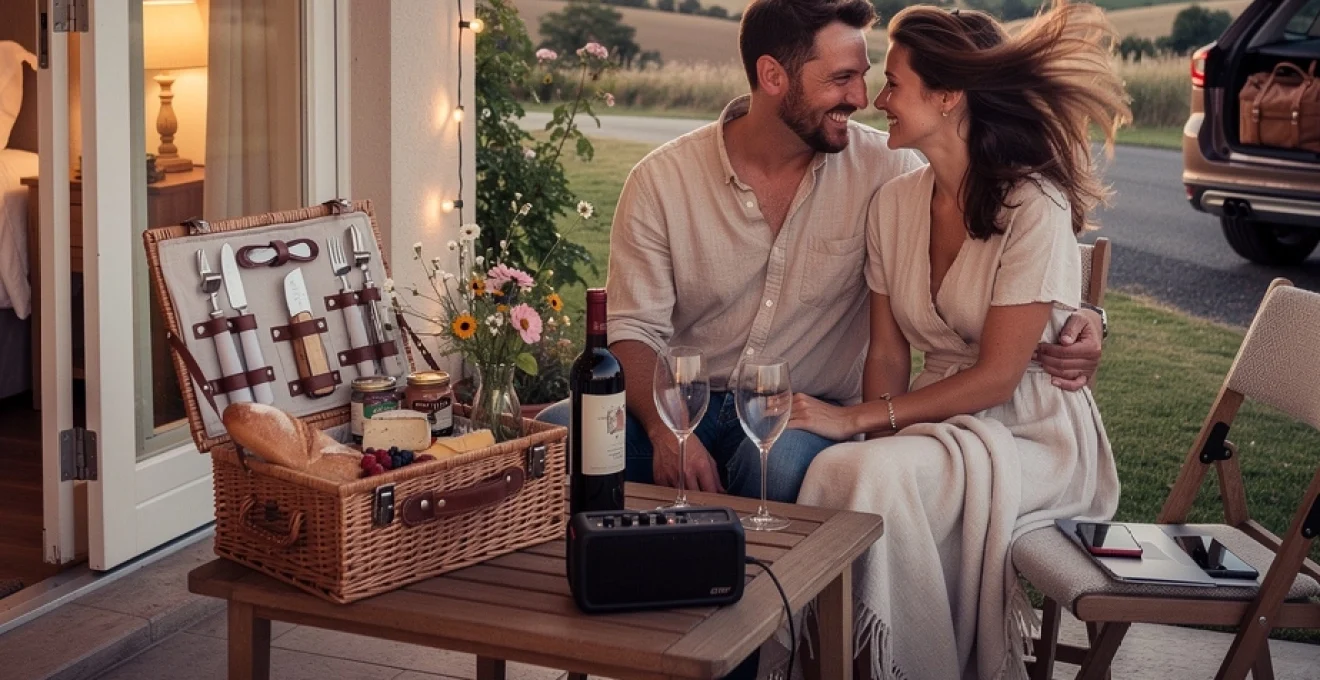
Picnics offer a flexible, budget-friendly way to turn a simple lunch into a romantic ritual, especially when paired with a scenic location. Instead of grabbing random items at a supermarket, approach your picnic as a curated hamper. Visit local bakeries, cheesemongers, and delicatessens to assemble a selection of small, high-quality items: two or three cheeses, fresh bread, seasonal fruit, olives or tapenade, and a sweet element such as pastries or chocolate. The act of choosing together becomes part of the intimacy—you are literally building a shared spread.
Pack a lightweight blanket or use a throw from your accommodation, and consider simple upgrades like proper glasses for your drinks and a small knife for cutting. Aim for a location that balances beauty with practicality: somewhere with a view, some shade, and a reasonable level of privacy. The picnic then becomes more than a meal; it is a slow, tactile experience of passing plates, lounging close together, and letting conversation unfold at its own pace.
Wine pairing narratives: selecting bottles that tell your relationship story
For couples who enjoy wine (or any special drink), you can transform an ordinary bottle into a narrative device that reflects your relationship. Instead of simply ordering the “house red,” choose drinks with meaning: a bottle from the region you first travelled to together, a grape variety you discovered on a past holiday, or a producer whose story resonates with your values. Some couples like to build a mini “tasting flight” for the weekend: one bottle for arrival night, one for the main dinner, and one for a final toast before leaving, each linked to a particular chapter of their shared history.
This narrative approach doesn’t require oenological expertise—it simply asks you to attach intention to your choice. You might say, “I picked this because it’s from the region we visited when we first started dating,” or, “This one is described as bold and a little unpredictable, which felt like us when we decided to move in together.” In doing so, you transform a glass of wine into a story prompt, and the weekend into a kind of living scrapbook.
Minimalist gesture curation: high-impact romantic touches with low effort
Contrary to many portrayals of romance, you do not need elaborate surprises or expensive gifts to create emotional impact. Small, well-timed gestures often land more deeply than grand displays because they signal attunement—you have been paying attention to what matters to your partner. Think of minimalist gesture curation as the relationship equivalent of good typography: subtle, thoughtful touches that make everything else feel more coherent and considered.
Handwritten note sequencing: strategically placed messages throughout the weekend
Handwritten notes offer a disproportionate emotional return on investment. In an age dominated by digital communication, the physicality of ink on paper carries weight. Rather than writing one long letter, consider creating a sequence of shorter notes placed at key touchpoints across the weekend: one tucked into your partner’s overnight bag to be discovered on arrival, another under their pillow, a third slipped into a coat pocket before a walk. Each note can be simple—a shared memory, a specific appreciation, a line of poetry—but together they create a subtle narrative arc.
To avoid the gesture feeling contrived, keep your language natural and specific. Instead of generic declarations (“I love you so much”), reference concrete details (“I still think about the way you laughed that night in Edinburgh” or “I’m grateful you were up for this trip even though work is intense right now”). These notes function like emotional breadcrumbs, reminding your partner that the weekend has been designed with them, not just with romance in the abstract, in mind.
Surprise micro-gifts: selecting meaningful tokens under £20
You do not need jewellery or luxury purchases to mark a romantic weekend. In fact, smaller, context-specific tokens often feel more intimate because they demonstrate close listening. Set yourself a modest budget—say, under £20—and look for one or two micro-gifts that connect directly to your partner’s tastes or to the location. This might be a locally made candle in a scent you both enjoyed, a beautifully bound notebook for future travel plans, a small print from an independent artist, or even a paperback by an author you discussed over coffee.
The key is to present these gifts at moments that feel organic rather than ceremonial. Perhaps you leave the book on their side of the bed with a note, or slide the candle across the table when you return from a walk. Micro-gifts work best when they feel like physical extensions of conversations you have already had, not random purchases made for the sake of ticking a “present” box.
Playlist personalisation: creating a shared soundtrack with relationship milestones
Earlier, we explored ambient soundscaping for different phases of the weekend. You can deepen this by creating one additional, highly personalised playlist that traces milestones in your relationship. Include the song that was playing the night you first met, the track from a memorable road trip, a piece of music you both associate with a difficult period you navigated together, and a few songs that simply capture how you feel about them now. This becomes less a playlist and more an audio timeline.
At some point during the weekend—perhaps on the drive home or during your final evening—play this sequence through without commentary, then invite conversation if it naturally arises. Ask gentle questions: “Do you remember when we first heard this?” or “What does this one remind you of now?” This shared listening can be surprisingly moving, especially if you allow space for both nostalgia and humour. In years to come, you can continue adding tracks, turning this into an evolving soundtrack of your life together.
Post-weekend memory anchoring: extending the emotional resonance
The most overlooked phase of a romantic weekend is what happens after you return home. Without some form of intentional anchoring, the experience quickly blurs into daily routines and obligations. Psychologists studying positive events recommend “savouring practices”—deliberately revisiting and reflecting on good experiences to enhance their long-term impact. Fortunately, you can do this in ways that feel light rather than laborious. Within a few days of your return, set aside 20–30 minutes to debrief together: what was your favourite unexpected moment? What would you happily repeat next time? What did you learn about each other?
You might also create one simple physical anchor: printing a single photo and placing it on the fridge, framing the ticket stub from a show you saw, or keeping the empty bottle of the wine you shared on your last night. If you introduced a new candle or scent, occasionally relight it during an ordinary evening at home to trigger the emotional memory of the trip. Some couples like to start a “weekend log”—a small notebook where you write a few lines after each getaway, noting where you stayed, what you did, and one moment that felt particularly meaningful. Over time, this becomes a quiet archive of your shared life, reminding you that romance is not a singular event but an ongoing practice built from many simple, unforgettable weekends stitched together.