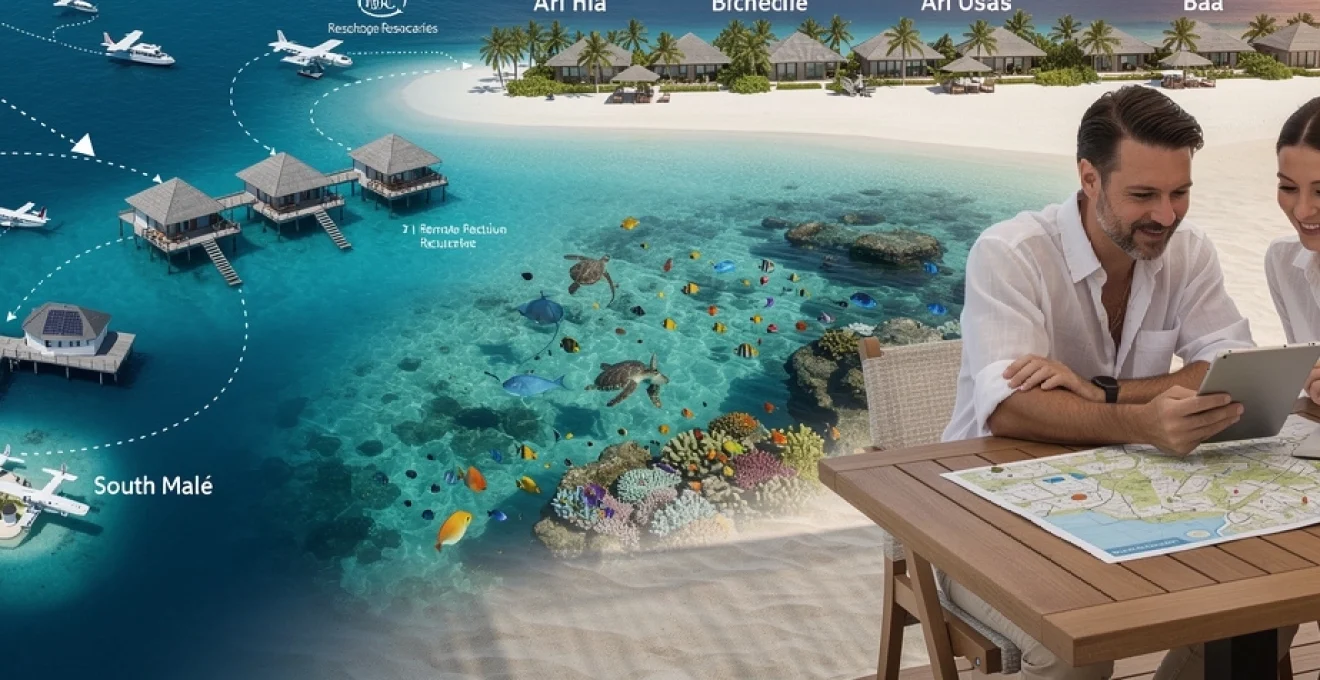
Selecting the perfect beachfront hotel in the Maldives requires far more consideration than simply browsing through stunning photographs of turquoise lagoons and pristine white sand beaches. With over 1,190 coral islands scattered across 26 natural atolls in the Indian Ocean, the Maldives presents travellers with an overwhelming array of luxury resorts, boutique properties, and exclusive retreats. Each destination offers unique geographical advantages, marine ecosystems, accessibility options, and architectural styles that can dramatically influence your tropical paradise experience.
The distinction between a memorable holiday and an extraordinary once-in-a-lifetime experience often lies in understanding the intricate details of atoll positioning, seasonal weather patterns, coral reef health, and resort infrastructure. Modern travellers seeking authentic luxury must navigate complex factors including seaplane transfer logistics, sustainable tourism practices, and the delicate balance between pristine natural environments and world-class hospitality amenities.
Maldivian atoll geography and resort distribution analysis
The Maldives’ unique double chain of atolls creates distinct microenvironments that significantly impact your beachfront hotel experience. Understanding this geographical complexity enables informed decision-making when selecting accommodations that align with your specific preferences for accessibility, marine life diversity, and island atmosphere.
North malé atoll premium beachfront properties
North Malé Atoll represents the most accessible luxury destination in the Maldives, hosting approximately 30% of the country’s premium beachfront resorts within a 45-minute speedboat journey from Velana International Airport. This proximity advantage translates to reduced transfer costs and greater flexibility in arrival and departure scheduling, particularly beneficial for travellers with limited vacation time.
The atoll’s strategic position creates optimal conditions for year-round beach activities, with consistent trade winds providing natural cooling effects and relatively calm lagoon waters. Resort density in this region necessitates careful property selection, as some islands experience increased seaplane traffic and potential visual intrusions from neighbouring developments. Premium properties like Kurumba Maldives and Bandos Island Resort leverage their established infrastructure to offer comprehensive beachfront experiences with mature landscaping and well-developed coral house reefs.
South malé atoll accessibility and transfer logistics
South Malé Atoll provides an excellent compromise between accessibility and seclusion, featuring lower resort density while maintaining reasonable transfer times via speedboat or seaplane. The atoll’s southern orientation creates distinctive tidal patterns that enhance beach quality during certain seasons, particularly benefiting properties positioned on the windward sides of their respective islands.
Transfer logistics to South Malé Atoll properties typically involve 20-60 minute speedboat journeys, depending on weather conditions and specific island locations. This moderate distance provides sufficient separation from airport activities while avoiding the extended travel times associated with remote outer atolls. The atoll’s coral reef systems demonstrate exceptional biodiversity, making it particularly attractive for travellers prioritising snorkelling and diving experiences directly accessible from their beachfront accommodations.
Ari atoll marine sanctuary resort locations
Ari Atoll encompasses both North and South Ari regions, collectively forming one of the Maldives’ largest and most biodiverse atoll systems. This expansive area hosts numerous luxury beachfront resorts strategically positioned to maximise access to world-renowned whale shark and manta ray habitats, creating unparalleled opportunities for marine wildlife encounters.
Resort distribution across Ari Atoll varies significantly, with South Ari featuring higher concentrations of established luxury properties, while North Ari offers newer developments with innovative architectural designs and enhanced sustainability features. The atoll’s size creates diverse microclimates and varying beach characteristics, from powder-soft sand beaches to more textured coral sand compositions that provide unique aesthetic and tactile experiences.
Baa atoll UNESCO biosphere reserve hotel selection
Baa Atoll’s designation as a UNESCO Biosphere Reserve in 2011 has elevated this region to premium status among environmentally conscious luxury travellers. The atoll’s protected status ensures pristine marine ecosystems while limiting resort development
while encouraging resorts to adopt stringent sustainability practices. For you as a guest, this means beachfront hotels in Baa Atoll often offer healthier coral reefs, stricter limits on motorised water sports near sensitive areas, and better-managed beaches. Leading resorts in this atoll typically integrate marine biology centres, turtle rehabilitation projects, and coral restoration programmes directly into their operations, allowing you to participate in guided snorkelling sessions that are both educational and low impact.
When choosing a beachfront hotel in Baa Atoll, prioritise properties located close to renowned sites like Hanifaru Bay if seasonal manta ray encounters are high on your list. However, remember that protected status can also mean more regulations on fishing, drone use, and boat traffic, which may influence your preferred activities. In practice, this trade-off often works in your favour: quieter waters, fewer intrusive speedboats, and beaches that feel closer to a true natural sanctuary than a conventional resort strip.
Remote outer atoll exclusive resort analysis
Beyond the central atolls, the remote outer atolls such as Gaafu, Laamu, and Addu offer some of the Maldives’ most exclusive beachfront resorts. These islands typically require a domestic flight plus a speedboat transfer, but in exchange you gain an exceptional sense of isolation and unspoiled surroundings. Beachfront hotels in these atolls often occupy entire islands with minimal neighbouring development, resulting in uninterrupted horizon views and near-silent nights where the loudest sound is the surf.
For travellers seeking a truly off-grid luxury escape, remote atolls can feel like owning your own private Maldives. However, we should be realistic about the trade-offs: transfer costs are higher, weather disruptions can have a greater impact on flight schedules, and medical or shopping facilities are further away. If you value reliable connectivity, fast logistics, and a wide choice of excursions, a central atoll might suit you better; if your priority is untouched beaches, star-filled skies, and discreet service, remote outer atolls deserve serious consideration.
Beachfront villa categories and oceanfront architecture
Once you have narrowed down your preferred atoll, the next step in choosing a beachfront hotel in the Maldives is understanding how different villa categories and architectural choices affect your stay. Two properties can advertise “beachfront accommodation”, yet offer entirely different experiences depending on construction standards, distance to the waterline, and orientation to sun, wind, and tides. Thinking of your villa as both a home and a viewing platform helps you evaluate which design best matches your lifestyle and expectations.
Over-water villa construction standards and lagoon access
Over-water villas, although not technically on the beach, are often marketed alongside beachfront options and can influence your final choice of hotel. High-quality over-water villa construction follows strict piling and platform standards to minimise impact on the seabed and lagoon currents. Well-designed properties position villas over deeper, consistently swimmable sections of the lagoon, ensuring that you can step directly down from your deck into clear water rather than ankle-deep seagrass or coral rubble.
When comparing beachfront hotels that also offer over-water accommodation, pay close attention to the advertised lagoon depth, current strength, and distance from the main island. Some resorts place their water villas a considerable walk or buggy ride from the beach, trading immediate sand access for absolute privacy. Ask yourself: do you want to start your day with a direct plunge into the lagoon, or would you prefer to move easily between a sandy beach, pool, and villa without lengthy boardwalk journeys under the midday sun?
Beach villa proximity measurements and sand quality assessment
Beach villas vary widely in how close they sit to the high-tide line. In some Maldivian beachfront hotels, your terrace may be just 5–10 metres from the water during low tide; in others, vegetation buffers and erosion-control policies place villas 25–40 metres inland. This distance affects not only your views, but also how quickly you can move from bed to beach, and how much foot traffic might pass in front of your villa. Properties that guarantee a minimum setback often provide greater privacy but slightly less of that “feet in the sand the moment you step outside” feeling.
Sand quality is another subtle yet crucial factor. Many islands advertise “powder-soft white sand”, but the reality can range from talcum-fine coral sand to coarser grains mixed with shells and coral fragments. If you plan to walk barefoot for most of your trip, look for hotels known for consistently soft beaches around the entire island, not just in select coves used for marketing photos. Sand quality also influences how warm the beach feels underfoot at midday and how comfortable it is to lounge directly on the shoreline without a sunbed.
Sunset-facing orientation and tidal impact considerations
Orientation is often overlooked when booking a beachfront villa in the Maldives, yet it dramatically affects light, temperature, and views. Sunset-facing villas offer spectacular evening displays and warm golden light, ideal for romantic stays and photographers, while sunrise-facing villas provide cooler mornings and quieter ambience, often preferred by families with early-rising children. Some resorts allow you to choose your villa side (sunrise versus sunset) at the time of booking, providing an extra layer of customisation for your beachfront experience.
Tidal patterns also shape the character of a beachfront hotel. On some islands, low tide exposes wide sandbanks and shallow lagoons perfect for wading and safe play, while at high tide the water may reach almost up to your deck. Other islands maintain a relatively consistent shoreline. If you envision walking far out into knee-deep water or accessing natural sandbanks for photos, opt for atolls and islands known for dramatic tidal variations. Conversely, if you prefer a stable swimming depth just a few steps from your sun lounger, look for properties where the reef edge lies closer to shore and the lagoon remains deep enough throughout the day.
Private beach allocation and territorial water rights
Unlike many destinations, most resort islands in the Maldives occupy an entire island, effectively giving each beachfront hotel de facto private beaches for registered guests only. However, the level of privacy in front of each villa can still vary considerably. Some properties designate specific stretches of sand as semi-private to particular room categories, using natural vegetation or low landscape features to reduce through-traffic, while others keep the shoreline fully open for guests to stroll all the way around the island.
Territorial water rights come into play when considering activities close to your villa. Resorts typically control access to the immediate lagoon and reef surrounding the island, regulating external boat traffic and third-party water sports operators. For you, this means that a hotel with stricter controls can offer quieter, safer swimming conditions and fewer passing vessels in your line of sight. When privacy and serenity are priorities, ask the resort how they manage external boat access, anchoring zones, and pathways for jet skis or kayaks around the island perimeter.
Coral reef health and marine ecosystem proximity
For many travellers, the promise of snorkelling straight from the beach into a vibrant reef is a primary reason to choose a beachfront hotel in the Maldives. Coral reef health varies widely between islands, influenced by past bleaching events, local conservation measures, and the physical structure of each atoll. Healthy reefs typically host dense coral formations, abundant reef fish, and regular sightings of turtles, reef sharks, and rays; degraded reefs can still be beautiful, but may feature more algae-covered rubble and less diversity.
When evaluating a hotel’s marine ecosystem, ask whether the resort has a “house reef” accessible directly from the beach or via a short boat ride. A strong house reef often allows you to see rich marine life just a few fin kicks from shore, reducing the need for organised excursions. Resorts with on-site marine biologists, coral nurseries, or reef monitoring programmes tend to invest more in long-term reef resilience. Ultimately, staying close to a healthy reef not only affects the quality of your underwater experiences but also enhances the overall sense of being immersed in a thriving natural environment rather than just a scenic lagoon.
Seaplane terminal connections and transfer infrastructure
Even the most spectacular beachfront hotel in the Maldives can feel less appealing if reaching it is complicated, uncomfortable, or unpredictable. Transfer logistics form an invisible but crucial layer of your holiday planning. Seaplane flights, speedboat rides, and domestic connections all have different implications for cost, timing, and your first impressions of the islands. Thinking of this as the “prologue” to your beachfront stay helps you prioritise convenience or adventure according to your travel style.
Velana international airport seaplane scheduling
Many premium beachfront resorts rely on seaplanes operating from Velana International Airport’s dedicated terminal to connect guests with more distant atolls. These flights typically run during daylight hours only, usually between 06:00 and 16:00–17:00, and schedules are often finalised only a day before travel based on arriving guest volumes. If you land late in the afternoon or at night, you may need to overnight near the airport before catching a seaplane the following morning.
When booking a beachfront hotel that requires a seaplane transfer, check whether the resort offers a private lounge at the seaplane terminal, how long typical waiting times are, and whether baggage allowances differ from your international flight. Seaplane journeys can be a highlight in themselves, offering breathtaking aerial views of atolls and sandbanks, but they do introduce variables such as weather-related delays and weight restrictions. If you are travelling with young children, large camera equipment, or strict time constraints, factor this into your decision-making process.
Direct speedboat routes from malé harbour
For resorts in North and South Malé Atolls, direct speedboat transfers from Malé harbour offer the most straightforward access. Journey times generally range from 15 to 60 minutes, allowing you to go from aircraft to beachfront villa in under two hours in many cases. This simplicity makes speedboat-accessible beachfront hotels particularly appealing for short stays, late arrivals, or travellers who prefer to minimise logistical complexity.
However, sea conditions can vary, especially during the southwest monsoon when swells increase. If you are prone to motion sickness, you may wish to enquire about the type of speedboat used, frequency of departures, and whether transfers are shared or private. Some luxury properties operate larger, more stable vessels with enclosed cabins and refreshments on board, turning the transfer into a comfortable mini-cruise rather than a functional transport leg. Ultimately, choosing a speedboat-accessible island is often the best balance of convenience and cost if seclusion is not your absolute top priority.
Domestic airport connections via maamigili and kaadedhdhoo
Beyond seaplanes and speedboats, several outer atoll beachfront resorts are reached via domestic flights to regional airports such as Maamigili (serving parts of Ari Atoll) and Kaadedhdhoo (gateway to the Gaafu atolls), followed by a shorter speedboat transfer. These scheduled flights operate in most weather conditions and into the evening, offering more flexibility than seaplanes, especially for guests arriving on late international services.
From a guest perspective, domestic transfers can provide a smoother experience for families and those sensitive to small-aircraft noise, as the planes are larger and pressurised. The trade-off is an extra step in your journey: you will disembark at a regional airport, collect your luggage, and board a speedboat for the final leg to your beachfront hotel. If you value both remoteness and predictable operations, the domestic route can be an excellent choice, particularly in atolls where resorts have developed dedicated lounges or streamlined transfer desks at their local airport.
Resort sustainability certifications and environmental impact
Sustainability has become a defining criterion for many travellers choosing a beachfront hotel in the Maldives. With rising sea levels and coral bleaching events posing real threats to the islands, your choice of resort can either support or undermine long-term conservation efforts. Increasing numbers of properties now pursue recognised certifications such as Green Globe, EarthCheck, or GSTC-aligned programmes, which audit energy use, waste management, water treatment, and community engagement.
When comparing hotels, look beyond marketing phrases like “eco-friendly” and seek concrete initiatives: on-site desalination plants, glass and plastic recycling systems, reduced use of single-use plastics, and meaningful partnerships with local islands. Resorts investing in renewable energy, such as solar arrays, tend to publicise the percentage of their power generated sustainably. You might also consider whether a hotel operates research collaborations, offers guest education sessions on reef conservation, or employs a resident marine biologist. By choosing a beachfront property with robust sustainability credentials, you help ensure that the very beaches and coral reefs you have come to enjoy remain intact for future visitors and local communities.
Seasonal weather patterns and monsoon impact on beach quality
Finally, timing your visit is just as important as choosing the right beachfront hotel. The Maldives experiences two primary monsoon seasons that influence sunshine hours, rainfall, sea conditions, and beach stability. The northeast monsoon (typically November to April) brings drier, calmer weather and is considered the peak season, especially for travellers prioritising clear skies and smooth seas. The southwest monsoon (May to October) introduces more variable weather, with short, intense showers and choppier waters—but also fewer crowds and often more attractive rates.
Monsoon-driven wind and wave patterns also reshape beaches over time, subtly eroding sand on one side of an island while depositing it on another. As a result, the “best” beachfront villas in terms of sand width and calm water can shift between seasons. Savvy travellers and repeat guests often choose villa locations according to the prevailing monsoon, favouring leeward shores that are more sheltered from waves and wind during their travel period. Before finalising your booking, ask the resort which villa rows enjoy the widest beaches and calmest lagoons at your specific time of travel. By aligning your dates, atoll choice, and beachfront orientation with seasonal patterns, you can significantly enhance the quality and consistency of your Maldivian beach experience.