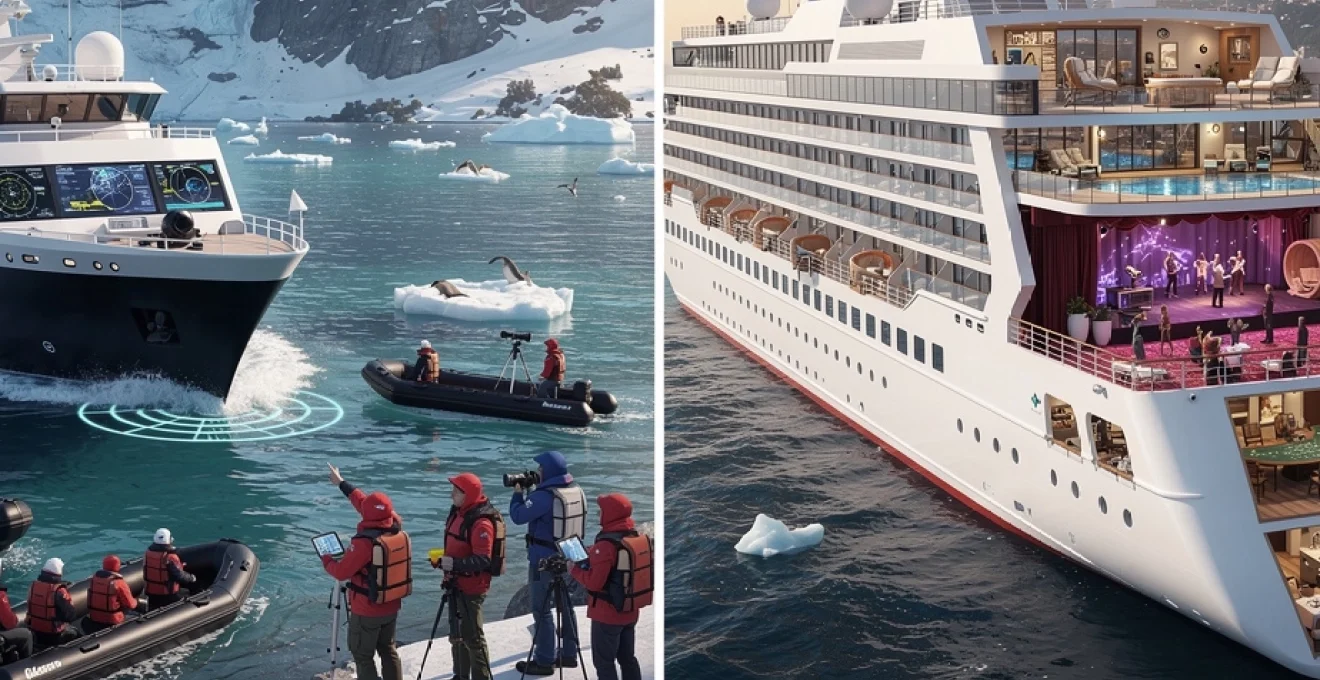
The cruise industry has evolved dramatically over recent decades, presenting modern travellers with a fascinating dichotomy between two distinctly different maritime experiences. Traditional ocean cruises continue to dominate the market with their resort-style approach, whilst expedition cruising has emerged as the fastest-growing segment, attracting adventurous souls seeking authentic wilderness encounters. This fundamental choice between conventional luxury and exploratory adventure represents more than just a holiday decision—it’s about defining what truly constitutes the perfect voyage for your personal travel aspirations.
Understanding the technical specifications, operational capabilities, and experiential differences between these cruise categories becomes essential when investing significant time and resources into your maritime adventure. The decision extends beyond simple preference, encompassing practical considerations such as physical capabilities, budget constraints, destination priorities, and the type of memories you wish to create. Whether you’re drawn to the sophisticated entertainment complexes of mega-ships or the intimate wildlife encounters offered by purpose-built expedition vessels, each option delivers profoundly different experiences that cater to distinct traveller profiles.
Expedition cruise vessel specifications and technical capabilities
Expedition cruise vessels represent engineering marvels specifically designed for accessing remote destinations that remain beyond the reach of conventional cruise ships. These sophisticated vessels typically accommodate between 100 and 300 passengers, though the most effective expedition ships maintain passenger counts below 200 to ensure optimal wildlife viewing opportunities and minimal environmental impact. The intimate scale facilitates personalised service whilst enabling access to pristine locations where larger vessels simply cannot venture.
Ice-class hull reinforcement and polar navigation systems
The hull construction of expedition vessels incorporates advanced ice-class ratings, ranging from PC7 for light ice conditions to PC2 for year-round polar operations. These reinforced hulls feature double-plating systems with specially treated steel that can withstand ice impacts without compromising vessel integrity. The most advanced expedition ships, such as those with PC6 ratings, can navigate through medium first-year ice formations, opening up access to previously unreachable polar destinations during extended seasonal windows.
Modern expedition vessels integrate sophisticated navigation systems including dynamic positioning technology, which maintains precise vessel positioning without anchoring—crucial for wildlife observation and passenger safety in challenging conditions. These systems utilise GPS positioning, wind sensors, and gyrocompasses to maintain station-keeping accuracy within metres, even in strong currents or adverse weather conditions that would challenge conventional anchoring methods.
Zodiac landing craft configuration and deployment mechanisms
The operational heart of expedition cruising lies in the Zodiac fleet—robust inflatable landing craft that enable passenger transfers to remote shorelines. Modern expedition ships typically carry between 10 and 20 Zodiacs, each accommodating 8-12 passengers plus expedition staff. These vessels feature reinforced pontoons, powerful outboard engines, and specialised loading platforms that facilitate safe boarding even in moderate sea conditions.
Deployment systems have evolved significantly, with contemporary ships featuring hydraulic launching platforms and dedicated marina areas that streamline operations. Some luxury expedition vessels now incorporate enclosed loading areas, protecting passengers from weather during boarding whilst maintaining operational efficiency. These innovations reduce boarding times and enhance safety protocols, particularly valuable when operating in polar regions where weather windows may be limited.
Advanced positioning systems for remote anchorage operations
Expedition vessels employ sophisticated anchorage systems designed for varying seafloor conditions encountered in remote locations. Advanced winching systems and specialised anchor designs enable secure positioning on rocky or uneven substrates common in polar and wilderness areas. These systems often incorporate remote monitoring capabilities, allowing bridge crews to maintain constant awareness of anchor holding capacity and vessel position drift.
GPS-integrated positioning systems provide real-time feedback on anchor drag and vessel movement, crucial for maintaining safe distances from shore or ice formations during extended stops. The technology proves particularly valuable during overnight anchorages in locations where traditional harbour facilities don’t exist, ensuring passenger safety whilst enabling access to spectacular wilderness locations at optimal viewing times.
Onboard naturalist equipment and scientific research facilities
Contemporary expedition vessels feature dedicated research facilities including wet and dry laboratories, specimen preparation areas, and advanced optical equipment for wildlife observation and scientific study. Many ships maintain partnerships with research institutions, enabling passenger participation in citizen science programmes whilst contributing to ongoing environmental research projects. These facilities often include microscopy stations,
high-powered binoculars, and long-range spotting scopes mounted on deck for optimal wildlife viewing. Some of the newest expedition cruise ships also carry underwater cameras and hydrophones, streaming real-time footage and sound from below the surface into lecture theatres and cabin televisions. This blend of research-grade tools and guest-accessible technology turns the vessel into a floating field station, where you are not simply observing nature but actively engaging with it. For many travellers, this scientific dimension is what elevates an expedition cruise from a scenic voyage to a genuinely educational journey.
In practical terms, onboard labs and equipment mean that plankton samples collected during a morning Zodiac outing can be analysed and displayed during an afternoon workshop. Bird sightings are logged into global databases, and whale flukes are photographed and matched against international catalogues. The best expedition cruise lines make this process highly accessible, with naturalists explaining complex concepts in clear language, ensuring that even first-time cruisers feel comfortable participating in citizen science initiatives.
Passenger-to-guide ratios and expert expedition team composition
One of the most defining technical aspects of expedition cruising is the passenger-to-guide ratio. Typical ratios range from 1:6 to 1:12, meaning you might have one naturalist, historian, or field guide for every six to twelve guests. The lower the ratio, the more individual attention you receive during landings, Zodiac cruises, and lectures. This directly affects how much you learn and how flexible the operations can be when wildlife suddenly appears or conditions change.
Expedition teams are usually multidisciplinary, combining polar experts, marine biologists, ornithologists, geologists, photographers, and often local cultural guides. On some ships, you might also find dive masters, kayaking guides, and professional photographers who offer small-group coaching sessions. This level of expertise is closer to a high-end safari lodge than to a classic ocean cruise, and it is a crucial factor when comparing expedition cruises vs classic ocean cruises if your priority is in-depth understanding rather than broad entertainment.
When you evaluate different expedition cruise lines, it is worth asking not just how many guides are on board, but what their backgrounds are and how often they accompany guests ashore. A larger team usually means more landing options, a wider range of activity levels (from gentle walks to strenuous hikes), and richer interpretation of the landscapes and wildlife you encounter. Ultimately, the quality of your expedition team will shape how vivid and meaningful your memories feel long after you return home.
Classic ocean cruise ship infrastructure and amenities portfolio
Classic ocean cruise ships, particularly the modern mega-ships, are fundamentally different machines from expedition vessels. Rather than being optimised to push through ice or anchor in remote bays, they are engineered to function as self-contained resorts at sea, supporting thousands of passengers with an astonishing array of facilities. When you step onto a contemporary ocean liner, you are entering a floating city with its own entertainment district, dining scene, wellness complex, and retail promenade.
Where expedition cruise ships emphasise small size and technical agility, ocean cruise vessels prioritise capacity, comfort, and choice. It is common for new-build ocean ships to carry between 3,000 and 6,000 guests, supported by crew members numbering well into the thousands. This scale allows for features that would be unthinkable on an expedition ship: multi-level theatres, water parks, aerial ropes courses, and even simulated skydiving tunnels on some brands. For travellers comparing expedition cruises vs classic ocean cruises, this is often the first big decision point—are you looking for the amenities of a resort, or the capabilities of an exploration vessel?
Multi-deck entertainment complexes and theatre venues
At the core of the classic ocean cruise experience are its entertainment complexes. Purpose-built theatres span multiple decks, equipped with Broadway-style lighting rigs, advanced sound systems, and hydraulic stages that can transform between performances. Major ocean cruise lines invest heavily in production shows, licensing well-known musicals or commissioning original performances that rival those in major cities. On a seven-night sailing, you might have a different show almost every evening.
Beyond the main theatre, you will typically find secondary venues: live music lounges, comedy clubs, piano bars, nightclubs, and sometimes even ice rinks or outdoor amphitheatres. These spaces are designed to offer a constant flow of options, ensuring that there is always something happening somewhere on the ship, regardless of the weather or time of day. For families and groups, this variety can be a major advantage over expedition cruising, where evenings are more likely to be filled with lectures and recap sessions than with glitzy stage productions.
If you are someone who values nightlife, dancing, or live performance as a central part of your holiday, a classic ocean cruise will almost always outperform even the most luxurious expedition ship. The trade-off, of course, is that the focus shifts from the destination back to the vessel; instead of the ship being a tool for exploration, it becomes the main attraction in its own right.
Speciality restaurant collections and celebrity chef partnerships
Dining is another area where classic ocean cruises differentiate themselves through sheer scale and variety. Whilst expedition ships usually offer one or two main dining venues with an emphasis on quality and efficiency, large ocean cruise vessels can feature a portfolio of speciality restaurants spanning global cuisines. It is not unusual to find dedicated venues for steak, sushi, French fine dining, Italian trattoria-style meals, and modern fusion concepts on a single ship.
Many major cruise brands leverage celebrity chef partnerships, bringing in familiar names from television and Michelin-starred restaurants to design menus, consult on culinary concepts, or front branded venues. For food-focused travellers, these partnerships can be a compelling reason to choose a classic ocean cruise over an expedition cruise, especially when combined with wine tastings, cooking demonstrations, and exclusive chef’s table experiences.
However, it is important to understand the cost structure. On most ocean ships, speciality restaurants come with a surcharge or à la carte pricing, whereas expedition cruises often operate on an all-inclusive model with fewer dining venues but minimal additional charges. When comparing value between expedition cruises and classic ocean cruises, you will want to factor in how often you plan to dine in speciality venues and what that will add to your overall budget.
Wellness spa facilities and thermal suite configurations
Wellness infrastructure represents another key pillar of the ocean cruise ship amenities portfolio. Large ships often house expansive spa complexes featuring multiple treatment rooms, beauty salons, relaxation lounges, hair and nail studios, and integrated fitness centres. Many also include thermal suites with saunas, steam rooms, heated loungers, and hydrotherapy pools, sometimes with panoramic ocean views. Access may be included for certain cabin categories or sold as a day pass or voyage-long package.
Fitness facilities on classic ocean cruises are generally more extensive than those found on expedition ships. You can expect full gyms with cardio equipment, weight machines, free weights, and often group fitness studios offering classes from yoga and Pilates to spin and high-intensity interval training. Some brands also include outdoor jogging tracks, sports courts, and even surf simulators or climbing walls, reinforcing the resort-like nature of the experience.
If your ideal holiday includes structured wellness routines, spa treatments, or simply plenty of opportunities to stay active between meals, a classic ocean cruise is likely to provide far more options than an expedition ship. Expedition cruises tend to focus activity budgets on off-ship adventures such as kayaking, hiking, or Zodiac cruising, whereas ocean cruises concentrate them inside the vessel’s walls.
Shopping promenades and duty-free retail zones
One of the more visible differences between expedition cruises and classic ocean cruises is the presence of onboard shopping districts. Ocean cruise ships routinely dedicate entire decks to retail, creating indoor promenades lined with boutiques selling jewellery, watches, fashion, cosmetics, and branded merchandise. Duty-free shops stock spirits, tobacco, and perfume, often with promotions timed around sea days and evening events.
These promenades are not just functional spaces; they are designed as social hubs, sometimes featuring cafes, bars, and live music in central atriums. Walking through them can feel similar to visiting a high-end shopping mall, and for some guests, browsing the stores is as much a part of the holiday as visiting ports. Sales, raffles, and themed shopping nights further reinforce this retail-centric atmosphere.
In contrast, expedition ships generally offer only a small boutique focused on practical items: cold-weather gear, branded clothing, basic toiletries, and perhaps a curated selection of books and local crafts. If you enjoy shopping as part of your travel routine, a classic ocean cruise will be a far stronger fit. If your priority is time outdoors and immersion in wilderness landscapes, you may find the absence of shopping on an expedition ship to be a refreshing change.
Destination portfolio analysis: remote wilderness vs established ports
Beyond ship design, the most fundamental difference between expedition cruises and classic ocean cruises lies in where they can take you. Expedition vessels, with their ice-class hulls, Zodiac fleets, and small passenger numbers, are purpose-built for remote wilderness regions: Antarctica, the Arctic, the Galápagos, parts of the Amazon, and isolated archipelagos with minimal infrastructure. Their itineraries are fluid, adapting to weather, ice, tides, and wildlife movements, much like a land-based safari.
Classic ocean cruises, by contrast, are optimised for established ports with piers, terminals, and predictable harbour operations. Caribbean islands, Mediterranean coastal cities, Baltic capitals, and popular Alaska ports such as Juneau and Ketchikan are typical examples. Routes are scheduled years in advance, and while there may be occasional adjustments for storms, the core structure is fixed. This reliability can be reassuring if you prefer knowing exactly where you will be on each day of your cruise.
When you compare these two destination portfolios, it is helpful to ask what you want your photographs and stories to focus on. Do you imagine yourself standing among penguin colonies, kayaking beside icebergs, and landing on beaches with no permanent human settlement? Or do you picture iconic skylines, historic cathedrals, beach bars, and waterfront promenades filled with cafes and shops? Neither choice is inherently better, but they do appeal to very different travel personalities.
Another key factor is seasonality. Expedition cruises to polar regions are tightly constrained by ice and daylight, typically running only a few months each year. This can limit your flexibility around dates and often leads to higher pricing during peak windows. Classic ocean cruises, especially in popular warm-weather regions, may operate year-round or for extended seasons, offering greater choice for school holidays, shoulder seasons, or specific celebration dates.
Passenger demographics and cruise duration considerations
Understanding who typically travels on each type of cruise can also help you choose between expedition cruises and classic ocean cruises. Expedition ships tend to attract a slightly older, well-travelled demographic, often in the 45–75 age range, with a high proportion of repeat cruisers and guests who have already experienced traditional sailings. Many are motivated by bucket-list destinations, photography, wildlife, or lifelong interests in geology, climate science, or marine biology.
That said, the profile is changing. As more luxury expedition cruise brands enter the market and add comfort and style to exploration, a growing number of younger professionals and multi-generational families are booking expedition voyages. These guests may value Instagram-worthy experiences and meaningful learning as much as they value fine dining and spa time. Still, children’s facilities and dedicated kids’ clubs are far less common on expedition ships than on big ocean cruise vessels.
Classic ocean cruises, particularly on large ships, cater to a much broader demographic spectrum. Families with young children, couples, solo travellers, groups of friends, and retirees all share the same decks. School holiday sailings, in particular, can feature a very high proportion of families, with kids’ clubs, water slides, and character experiences running at full capacity. If you are travelling with children or teenagers and want them to have peers to socialise with, a mainstream ocean cruise is almost always the better choice.
Cruise length is another area where the two styles diverge. Expedition itineraries to Antarctica, the Arctic, or remote islands often run 10–14 days or longer due to the distance from major airports and the time needed for meaningful exploration. Shorter expedition cruises of 5–7 nights tend to focus on regions like the Galápagos or certain coastal wilderness areas where travel distances are smaller. Ocean cruises, by comparison, offer everything from three-night taster sailings to extended world cruises lasting several months, giving you far more flexibility to match voyage length to your schedule.
Pricing structure breakdown and value proposition assessment
When first comparing prices between expedition cruises and classic ocean cruises, many travellers experience sticker shock. Daily rates for expedition voyages, particularly to Antarctica or the high Arctic, can easily range from USD 800 to over USD 1,500 per person, sometimes higher in ultra-luxury segments. By contrast, mainstream ocean cruises can appear remarkably affordable, with headline fares under USD 150 per person per day in some regions. However, the apparent difference narrows once you analyse what is included.
Expedition cruises are often highly inclusive. Fares typically bundle Zodiac excursions, guided hikes, lectures, most non-alcoholic drinks, and sometimes house wine and beer with meals. Park fees, landing permits, and specialist equipment such as expedition jackets or rubber boots may also be incorporated into the upfront price. In other words, the majority of your experiential costs are pre-paid, and there are relatively few opportunities to spend extra unless you opt for premium activities such as helicopter flights or submarine dives.
Classic ocean cruises usually operate on a lower base fare but a more à la carte approach once on board. Shore excursions, speciality dining, alcoholic beverages, spa treatments, fitness classes, Wi-Fi, and gratuities can all add significantly to the final bill. For travellers who enjoy frequent port tours or speciality dining, the total cost of a “budget” ocean cruise may rise faster than expected. To make a fair comparison between expedition cruises and classic ocean cruises, it helps to create a simple spreadsheet that estimates your likely onboard spending in each scenario.
It is also worth considering the value of time and uniqueness. Expedition destinations are, by definition, hard to reach and often life-list experiences. Many guests view them similarly to African safaris—a once-in-a-lifetime investment rather than an annual getaway. Classic ocean cruises, while sometimes spectacular, often visit places you could also reach via land-based travel or short flights. The value proposition, therefore, depends heavily on whether you wish to prioritise rare wilderness encounters or repeatable, resort-style escapes.
Shore excursion methodologies: guided exploration vs independent port access
Finally, the way you experience destinations ashore differs dramatically between these two cruise styles. Expedition cruises centre on guided exploration. Almost every landing, Zodiac cruise, or kayak session is organised and led by the onboard expedition team, with strict protocols to protect fragile environments and wildlife. Group sizes are carefully controlled, routes are pre-scouted, and guests receive detailed briefings before and after each outing. This approach ensures safety in remote locations and maximises your learning, but it leaves little scope for independent wandering.
On a typical expedition day, you might have two main outings—one in the morning and one in the afternoon—each lasting a few hours. Between excursions, you return to the ship for meals, lectures, or rest. Free time ashore is usually limited to marked areas under the watchful eye of guides and bear guards in polar regions. If you are someone who enjoys getting “lost” in a city, trying local cafes, or shopping in markets at your own pace, you may find this structured, guide-led format quite different from your usual travel style.
Classic ocean cruises offer a broader mix of guided and independent options. In each established port, the cruise line will sell a variety of shore excursions—city tours, beach breaks, adventure activities—but you are also free to disembark and explore on your own within the scheduled time window. Many travellers choose to book independent tours with local operators or simply wander through town, finding their own restaurants and experiences. This flexibility can be a major plus if you value spontaneity and local interaction.
That said, independent exploration does place more responsibility on you to manage time and logistics. Miss the all-aboard time in a popular Mediterranean port, and the ship will not usually wait. In remote expedition regions, this type of independence simply is not feasible, which is why operations are more controlled. As you weigh expedition cruises vs classic ocean cruises, it helps to ask yourself how much structure you enjoy, how confident you feel navigating new places, and whether your ideal day ashore is guided, independent, or a blend of both.