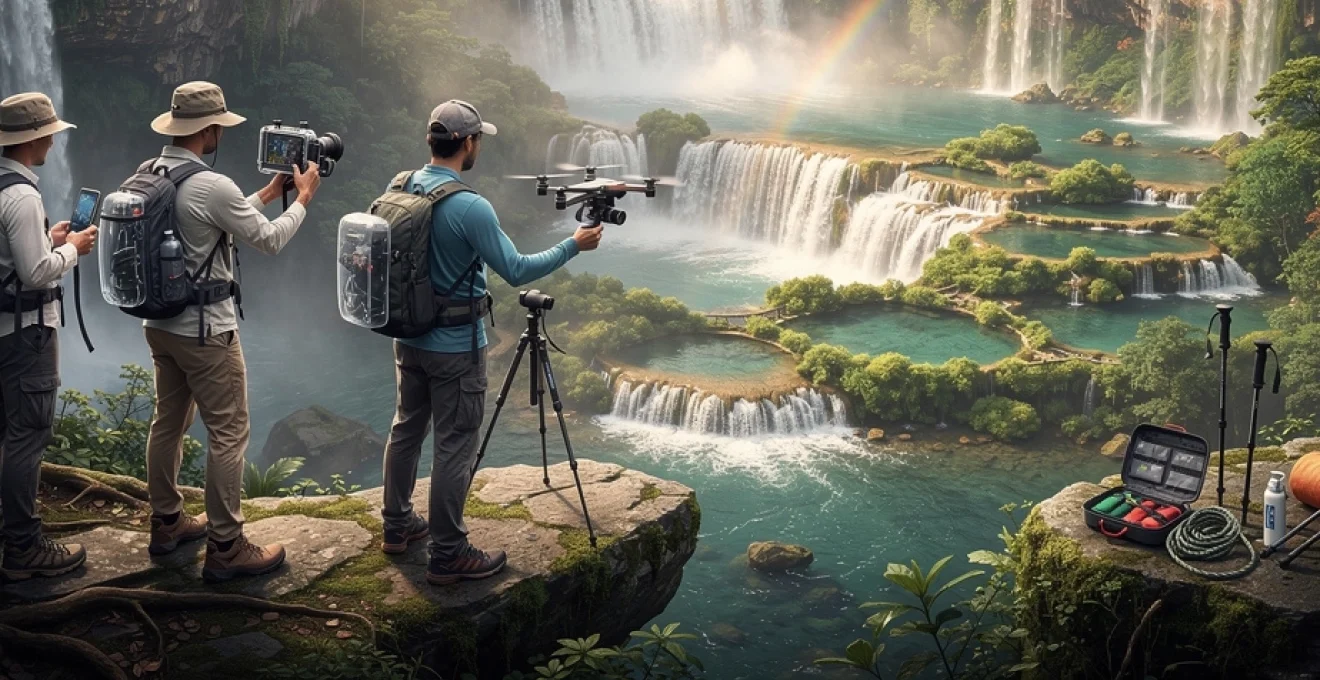
# The Guide to Discovering Waterfalls in Tropical Destinations
Tropical waterfalls represent some of nature’s most spectacular phenomena, where geological forces, abundant rainfall, and lush ecosystems converge to create breathtaking natural wonders. From the misty cascades hidden deep within Southeast Asian jungles to the thundering falls of Central American volcanic landscapes, these aquatic treasures offer adventurers an unparalleled connection with the raw power and beauty of our planet. The experience of standing before a tropical waterfall—feeling the cool spray on your face, hearing the thunderous roar of falling water, and witnessing rainbows dance in the mist—creates memories that last a lifetime. Yet discovering these natural marvels requires more than simply arriving at a destination; it demands proper preparation, respect for local ecosystems, and an understanding of the geological and seasonal forces that shape these magnificent landscapes.
Understanding tropical waterfall ecosystems and geological formation patterns
Tropical waterfalls form through complex geological processes that unfold over millennia, shaped by the unique characteristics of equatorial and subtropical regions. The formation begins with differential erosion, where softer rock layers erode more quickly than harder caprock, creating the vertical drop that defines a waterfall. In tropical regions, this process accelerates dramatically due to consistently high rainfall—some tropical watersheds receive over 4,000 millimetres of precipitation annually, compared to temperate regions that might see only 800-1,200 millimetres. This constant water flow, combined with chemical weathering enhanced by warm temperatures and acidic conditions from decomposing organic matter, carves through bedrock at remarkable rates.
The geological composition of tropical waterfall systems varies significantly across different regions, creating diverse visual and structural characteristics. Limestone formations, common in Southeast Asia and the Caribbean, create travertine cascades where dissolved calcium carbonate redeposits to form terraced pools and delicate formations. These systems often feature multiple tiers and stunning turquoise waters rich in minerals. Volcanic regions of Central America and parts of Indonesia showcase waterfalls that plunge over basalt cliffs, their dark rock contrasting dramatically with white water and surrounding greenery. The resistance of volcanic rock to erosion often creates particularly tall, single-drop waterfalls that maintain their structure over extended periods.
The ecosystems surrounding tropical waterfalls support extraordinary biodiversity, functioning as crucial habitats within already species-rich rainforest environments. The constant moisture creates microclimates that support specialised flora, including epiphytic orchids, ferns, and mosses that thrive in the perpetual spray zone. These areas often harbour endemic species found nowhere else on Earth—scientists continue to discover new plant and insect species in waterfall ecosystems throughout the tropics. The pools at the base of waterfalls serve as important aquatic habitats, supporting fish species adapted to fast-flowing, highly oxygenated water, along with amphibians that depend on the consistent moisture levels for reproduction.
Understanding the hydrology of tropical waterfall systems enhances your appreciation of these natural wonders and helps predict optimal viewing conditions. During monsoon seasons, flow rates can increase tenfold or more, transforming gentle cascades into roaring torrents that demonstrate nature’s raw power. This seasonal variation creates dramatically different experiences—the dry season might reveal rock formations and allow closer approach to the falls, while peak flow periods showcase maximum volume and create the most impressive visual spectacle. Watershed characteristics, including catchment size, vegetation cover, and soil composition, all influence how quickly waterfalls respond to rainfall events and how long they maintain flow during drier periods.
Essential waterfall trekking equipment and safety protocols for humid climates
Preparing adequately for tropical waterfall expeditions requires specialised equipment designed to withstand extreme humidity, frequent water exposure, and challenging terrain conditions. The tropical environment presents unique challenges that standard hiking gear often cannot address effectively, making proper equipment selection crucial for both safety and enjoyment of your waterfall discoveries.
Waterproof camera systems and drone technology for cascade photography
Capturing the majesty of tropical waterfalls demands equipment specifically designed for aquatic environments and challenging lighting conditions. Modern waterproof camera housings now protect professional DSLR and mirrorless systems to depths of 40-60 metres, more than adequate for waterfall photography where you’ll encounter heavy spray and potentially
partial immersion. If you prefer lighter gear, action cameras with built-in waterproofing offer excellent stabilisation and wide-angle views ideal for capturing both the waterfall and surrounding rainforest canopy in a single frame.
Low light under dense jungle cover and bright highlights from reflective water create a high-contrast environment, so cameras with strong dynamic range and adjustable shutter speeds are particularly valuable. Consider using a neutral density filter to achieve silky, long-exposure waterfall shots without overexposure in tropical midday sun. For aerial perspectives, compact drones with obstacle-avoidance sensors and weather-resistant casings allow you to document otherwise inaccessible cascade systems, but always verify local regulations—many protected areas in Southeast Asia and Central America either restrict or ban drone flights to protect wildlife and visitor privacy.
Battery and memory management are critical in humid, remote environments where recharging options may be limited. Store spare batteries and memory cards in dry bags with silica gel packets to prevent condensation damage, and rotate them regularly to minimise heat build-up. When moving between air-conditioned vehicles and hot, humid air at trailheads, allow your camera gear to acclimatise inside a sealed bag for 10–15 minutes to reduce lens fogging and internal condensation. This simple practice can make the difference between a successful sunrise shoot and a completely fogged lens.
Anti-slip footwear and hydration systems for rainforest terrain navigation
Navigating rainforest terrain around tropical waterfalls is more akin to moving across a constantly shifting obstacle course than a groomed hiking trail. Surfaces are frequently coated in algae, mud, and loose scree, so standard running shoes are rarely sufficient. For reliable grip, choose footwear with aggressive, multi-directional lugs and sticky rubber compounds designed for wet rock—approach shoes, canyoning shoes, or hybrid water-hiking sandals with toe protection are excellent options. Closed-toe designs help protect your feet from submerged roots and sharp stones that you cannot see through tannin-stained water.
Because humidity levels in tropical destinations often exceed 80%, your feet will get wet regardless of how “waterproof” your footwear is. Rather than prioritising impermeable membranes, focus on quick-draining, fast-drying fabrics paired with moisture-wicking socks to reduce the risk of blisters and fungal infections. Trekking poles with carbide tips can add crucial stability when descending muddy slopes or crossing streams, effectively acting like a third and fourth leg on unpredictable terrain. Think of them as shock absorbers and extra points of contact between you and the forest floor.
Hydration systems are equally important in hot, humid climates where sweat evaporates slowly and you may underestimate how much fluid you are losing. Hydration bladders with a 2–3 litre capacity allow you to sip small amounts regularly without stopping, maintaining a more consistent intake than occasional gulps from a bottle. Electrolyte tablets or powdered mixes can help replace salts lost through heavy perspiration, reducing the risk of heat exhaustion on longer waterfall treks. When in doubt, carry more water than you think you need; stream water near waterfalls may look pristine but can harbour invisible pathogens from upstream settlements or wildlife.
Emergency communication devices and GPS tracking in remote waterfall locations
Many of the world’s most spectacular tropical waterfalls lie far beyond reliable mobile coverage, often in deep ravines or dense forest where signals are blocked entirely. In these environments, relying solely on your smartphone for navigation and communication can be risky. Satellite communicators and personal locator beacons provide an essential safety net, enabling you to send distress signals and, in some cases, short text messages with GPS coordinates to emergency services if something goes wrong. These devices are compact, lightweight, and increasingly affordable, making them a wise investment for serious waterfall explorers.
Handheld GPS units or offline navigation apps with topographic maps complement these emergency systems by helping you track your route in real time. Before you set out, download detailed maps of your destination and mark key waypoints such as trailheads, river crossings, and known landmarks. This approach is particularly valuable in tropical regions where paths may be poorly marked, frequently rerouted by landslides, or seasonally obscured by vegetation growth. Treat your digital navigation tools as a high-tech compass and map, not a substitute for situational awareness.
To maximise battery life in humid, hot conditions, keep electronic devices in low-power mode, dim screens, and turn off non-essential functions like Bluetooth and continuous background data. Store them in waterproof, shock-resistant cases and keep a small power bank in a dry bag as backup. Most importantly, always share your planned route and expected return time with accommodation staff, tour operators, or trusted contacts. In remote waterfall regions, a clear “trip plan” can be as crucial to your safety as any gadget.
First aid considerations for tropical wildlife encounters and Water-Borne pathogens
First aid planning for tropical waterfall destinations must account for risks that differ from those in temperate hiking environments. Minor cuts and scrapes are almost inevitable when crossing slippery rocks or moving through dense vegetation, but in hot, humid climates these small wounds can become infected quickly. A compact but well-chosen first aid kit should include antiseptic wipes, broad-spectrum antibiotic ointment, waterproof bandages, and sterile gauze. Clean and cover even minor abrasions as soon as possible, especially before entering natural pools where bacteria and parasites may be present.
Wildlife encounters near waterfalls often involve insects more than large animals. Mosquitoes, sandflies, and leeches thrive in moist environments and can transmit diseases such as dengue, malaria, or leishmaniasis depending on the region. Long-sleeved, light-coloured clothing treated with permethrin, combined with a high-DEET or picaridin repellent on exposed skin, offers effective protection. For leech-prone areas, elastic gaiters or leech socks provide an extra barrier, and a small bottle of saline or a blunt edge (like a fingernail) can help remove leeches safely without increasing the risk of infection.
Water-borne pathogens represent another significant concern, particularly in rural areas where upstream sanitation may be limited. As tempting as it may be to drink straight from a pristine-looking cascade, always purify water from rivers or pools using a combination of filtration and chemical treatment or UV purification. If you accidentally ingest untreated water and later experience prolonged diarrhoea, fever, or abdominal cramps, seek medical care as soon as possible. Packing oral rehydration salts and anti-diarrhoeal medication can help you manage mild symptoms until professional treatment is available.
In regions with venomous snakes, spiders, or stinging insects, local knowledge is invaluable. Before hiking, ask guides or park staff about species you might encounter and recommended responses. Contrary to popular myths, improvised snakebite treatments such as cutting the wound or attempting to suck out venom can do more harm than good; pressure immobilisation and rapid evacuation to medical care are far more effective. By preparing for these risks in advance, you can explore tropical waterfalls with confidence rather than anxiety.
Premier waterfall destinations across southeast asian rainforests
Southeast Asia’s rainforests host some of the planet’s most photogenic and accessible tropical waterfalls, combining dramatic geology with rich cultural contexts. Many falls are woven into local myths, serve as spiritual sites, or act as vital freshwater sources for nearby communities. As you plan your itinerary, consider not only the visual impact of each cascade but also its surrounding ecosystem, accessibility, and the level of adventure you are seeking. Are you looking for multi-day jungle expeditions, or short day hikes from well-developed tourist hubs?
Across Thailand, Indonesia, the Philippines, and Laos, waterfall systems range from single, thundering drops to multi-tiered travertine terraces and hidden canyon falls. Some are best visited during peak monsoon flow when their power is at its maximum, while others reveal most of their distinctive features in the drier months when turquoise pools settle and trails become safer. The locations below represent a cross-section of Southeast Asia’s finest waterfall experiences, from remote wildlife sanctuaries to easily reached natural swimming pools.
Thi lo su falls in thailand’s umphang wildlife sanctuary
Thi Lo Su Falls, often cited as Thailand’s largest and most impressive waterfall, cascades down a roughly 250-metre-high limestone escarpment in Umphang Wildlife Sanctuary near the Myanmar border. Rather than a single vertical drop, it spreads across a wide cliff face in a series of segmented curtains, creating a multi-tiered spectacle enveloped in constant mist. The surrounding protected forest forms part of the Western Forest Complex, one of Southeast Asia’s most important conservation areas, home to elephants, gibbons, and an array of hornbill species.
Access to Thi Lo Su is restricted to preserve the sanctuary’s fragile ecosystem, which means the journey is part of the adventure. Visitors typically combine a long, winding drive from Tak or Mae Sot with river rafting along the Mae Klong and a final hike to the viewpoint and swimming areas. The road into the sanctuary is usually closed during the heaviest monsoon months due to landslide risk, so planning your visit for the shoulder seasons—roughly November to February—offers a balance between strong water flow and manageable access. Here, the “journey equals the destination” analogy holds true; the route to Thi Lo Su immerses you in landscapes few tourists see.
Facilities near the falls are basic, with simple campsites and limited food options, so you should be self-sufficient with water, snacks, and appropriate clothing. Booking through reputable local operators not only simplifies logistics but also ensures that your visit complies with conservation regulations and supports ranger-led protection efforts. With the right preparation, a visit to Thi Lo Su becomes less a day trip and more a full-fledged expedition into Thailand’s wild frontier.
Sekumpul waterfall complex in bali’s northern highland region
Far from Bali’s crowded beach resorts, the Sekumpul waterfall complex lies in the island’s cooler, mountainous north, surrounded by coffee plantations, clove trees, and traditional villages. Often described as Bali’s most beautiful waterfall, Sekumpul actually comprises several parallel cascades plunging 80–100 metres into a lush, mist-filled basin. The contrast between the dark volcanic cliffs and bright-green vegetation creates a dramatic, almost otherworldly scene that rewards the effort required to reach it.
From the nearest parking areas, visitors descend a network of steep staircases and river crossings that can be slippery after rain, making sturdy footwear and trekking poles highly advisable. Along the way, you pass through local farmland and small hamlets, offering a window into rural Balinese life that many coastal visitors never experience. Several viewpoints on the upper trail provide panoramic vistas of the falls, while lower paths lead directly to the plunge pools where you can feel the full force of the spray.
Local regulations and access arrangements have evolved in recent years, with different village collectives overseeing various trailheads and viewpoints. Hiring a local guide not only improves safety but also ensures that your entrance fees are distributed fairly within the community. To avoid afternoon fog and crowds, aim to arrive early in the morning when light filters softly through the valley and the falls often appear wrapped in rainbows.
Kawasan falls Three-Tier system in cebu, philippines
Kawasan Falls, located on the southwest coast of Cebu island, is one of the Philippines’ most iconic tropical waterfall systems. Fed by springs emerging from the karst mountains of the region, its three main tiers form a sequence of turquoise pools framed by limestone walls and dense tropical foliage. The first tier, easily reached via a relatively flat riverside path, is the most developed, featuring bamboo rafts, basic eateries, and designated swimming areas where visitors can enjoy the famously blue water.
For those seeking a more adventurous experience, guided canyoning trips begin upstream and lead participants through a series of natural slides, jumps, and short abseils down the canyon that feeds Kawasan. These excursions require a moderate level of fitness and comfort with heights and cold water, but they offer a unique way to experience the waterfall system from within. Safety standards vary between operators, so it is crucial to choose agencies that provide certified guides, quality helmets, life jackets, and clear briefings.
In recent years, local authorities have introduced conservation measures to reduce overcrowding and environmental impact, including limiting certain activities and tightening regulations on waste disposal. Visiting Kawasan Falls with an eco-conscious operator, avoiding single-use plastics, and respecting restricted zones helps preserve this fragile environment. If you prefer a quieter atmosphere, consider weekday visits and early starts; by mid-morning, the lower pools can become lively with both local families and international travellers.
Kuang si falls travertine formations in luang prabang, laos
Kuang Si Falls, about 30 kilometres south of Luang Prabang, exemplify the delicate beauty of travertine waterfall systems in tropical settings. Here, mineral-rich water flows over limestone terraces, depositing calcium carbonate that gradually builds natural dams and creates a staircase of jade and turquoise pools. The main waterfall drops around 60 metres into a deep basin, while downstream sections form a series of shallow cascades ideal for swimming and photography.
The short walk from the entrance to the main falls passes through shaded forest and a bear rescue sanctuary, where rehabilitated Asiatic black bears lounge in spacious enclosures. This combination of wildlife conservation and natural beauty makes Kuang Si an educational as well as recreational destination. Wooden bridges and well-maintained trails provide multiple vantage points, allowing you to appreciate both the macro-scale cascade and the intricate patterns of mineral deposits forming along the edges of each pool.
Because travertine structures are fragile, many areas are roped off to protect the formations from erosion and damage caused by heavy foot traffic. Respecting these boundaries is essential if Kuang Si’s terraces are to remain intact for future visitors. The falls flow year-round, but water colour and volume vary with the seasons; in the wet months they can appear more powerful but less translucent, whereas in the dry season the iconic milky-blue tones are at their brightest. Either way, an early or late-day visit will reward you with softer light and fewer crowds.
Central american volcanic waterfall systems and access routes
Central America sits along the Pacific Ring of Fire, where active and dormant volcanoes shape landscapes into dramatic backdrops for tropical waterfalls. Lava flows, ash deposits, and tectonic uplift combine to create steep gradients and narrow gorges through which rivers plunge in spectacular fashion. In contrast to the travertine terraces of Southeast Asia, many Central American waterfalls descend over dark basalt and andesite cliffs, their white torrents standing out starkly against forested slopes.
These volcanic waterfall systems often lie within or near national parks established to protect both geological features and biodiversity hotspots. Access routes may include well-developed trails with interpretive signage, rough 4×4 tracks, or even horseback paths used by local farmers. When you plan your visit, it helps to think like a geologist: how did the volcano, river, and surrounding soils interact to create the landscape you are about to explore? Understanding these processes can turn a scenic outing into a deeper appreciation of Earth’s dynamic systems.
La fortuna waterfall at arenal volcano national park, costa rica
La Fortuna Waterfall, fed by the Fortuna River near the base of Costa Rica’s Arenal Volcano, is a classic example of a volcanic-region cascade. The water plunges roughly 70 metres into a narrow, jungle-clad canyon, with the almost perfect cone of Arenal often visible in the background on clear days. The contrast between the dark volcanic rock and the emerald-green pool at the base makes it one of the country’s most photographed natural attractions.
Access is via a well-constructed stairway of several hundred steps descending from the visitor centre to the canyon floor, where designated viewing platforms and swimming zones are available. The climb back up is strenuous, particularly in humid conditions, so pacing yourself and carrying sufficient water is essential. The park infrastructure includes parking, restrooms, and a small café, making La Fortuna an accessible option for families and travellers who prefer not to tackle technical trails.
Because the waterfall is fed by rainfall in the surrounding cloud forest, water volume remains relatively stable throughout the year, though it can surge after intense downpours. Local regulations prohibit swimming directly beneath the falling water due to strong currents and submerged rocks, but side pools offer safe, refreshing spots to cool off. Combining a visit to La Fortuna with hikes in Arenal Volcano National Park or nearby hot springs allows you to experience the full spectrum of volcanic landscapes in a single day.
Pulhapanzak falls near lake yojoa archaeological sites, honduras
Pulhapanzak Falls, located near Lake Yojoa in central Honduras, showcase the interplay between volcanic geology and long-term erosion. Here, the Río Lindo tumbles around 43 metres over a basalt ledge into a wide plunge pool bordered by lush forest. While the view from the main lookout is impressive enough, Pulhapanzak is particularly renowned for guided tours that lead adventurous visitors behind the cascade itself, through natural caverns carved out by centuries of water flow.
The area around the falls is developed with picnic areas, ziplines, and accommodation options, making it a popular weekend destination for Honduran families as well as international travellers. Yet just beyond the immediate tourist zone, the landscape retains a wild feel, with birdlife, coffee farms, and nearby pre-Columbian archaeological sites adding cultural depth to the experience. This juxtaposition of recreation, history, and geology makes Pulhapanzak an excellent base for broader exploration of the Lake Yojoa region.
As with many powerful waterfalls, safety at Pulhapanzak hinges on respecting guide instructions and posted signs. The behind-the-falls tour, in particular, involves slippery rocks, strong spray, and low visibility, so it is best suited to confident swimmers with appropriate footwear. If you prefer a more relaxed visit, you can enjoy the views from dry ground and take short walks along the river, listening to the waterfall’s continuous roar echoing through the valley.
El limón waterfall trek through samaná peninsula, dominican republic
El Limón Waterfall, on the Samaná Peninsula of the Dominican Republic, offers a tropical cascade experience framed by rolling hills, coconut groves, and small agricultural communities. Dropping approximately 50 metres (around 165 feet) into a jade-green pool, the falls are surrounded by moss-covered rock and dense vegetation that thrive in the peninsula’s humid microclimate. The journey to El Limón is as memorable as the waterfall itself, with multiple trail options winding through farms and secondary forest.
Many visitors choose to reach the falls on horseback, guided by local residents who lead small groups along muddy paths and across shallow streams. This arrangement provides income for rural communities while giving travellers insight into traditional ways of life, but it is important to select operators who treat animals humanely and limit loads during hot conditions. Those who prefer to trek on foot can complete the hike in about 30–45 minutes each way, depending on trailhead and fitness level.
At the base of the cascade, you can swim in the cool pool, stand under gentler side flows, or sit on sunlit rocks listening to the thunder of the main drop. During and after heavy rain, trails can become extremely muddy and the waterfall’s flow more intense, so waterproof bags for electronics and sturdy, washable footwear are highly recommended. By timing your visit for early morning or late afternoon, you are more likely to share the falls with only a handful of other visitors and experience a quieter side of this popular destination.
Navigating seasonal variations and monsoon flow patterns for optimal viewing
One of the most important factors in planning tropical waterfall trips is understanding how seasonal rainfall and monsoon systems affect water volume, trail conditions, and overall safety. In many equatorial regions, there is no sharp division between “summer” and “winter” as in temperate zones; instead, you encounter wet and dry seasons, each offering distinct advantages and challenges. Visiting a waterfall at peak monsoon flow can feel like standing beside a living thundercloud, while a dry-season visit may reveal tranquil pools and intricate rock patterns normally hidden beneath torrents.
Monsoon rains typically arrive in pulses, with intense downpours separated by periods of calmer weather. Rivers respond differently depending on catchment size and soil type: small, steep basins can flash-flood within minutes, while larger watersheds may build volume more slowly but sustain high flows for longer periods. Before committing to a hike, ask local guides or park rangers about current conditions—has there been heavy rain in the last 24 hours? Are any trails closed due to landslides or high water? These practical questions can transform your experience from guesswork to informed exploration.
For photographers, the “shoulder seasons” just before or after the main monsoon often provide the most rewarding conditions. There is still enough water to create powerful cascades, but skies may be clearer, and humidity slightly lower, improving visibility and comfort. In contrast, peak dry-season visits can be ideal for families or less experienced hikers, as trails dry out, river crossings become easier, and swimming conditions more predictable. Think of it as tuning a radio: by adjusting your timing within the seasonal cycle, you can find the “signal” that best matches your interests, whether that is raw power or serene beauty.
Climate change is altering traditional rainfall patterns in many tropical regions, sometimes compressing wet seasons into more intense, shorter bursts or prolonging droughts beyond historical norms. As a traveller, this means relying solely on guidebook averages is no longer sufficient; checking recent weather data and regional climate updates becomes increasingly important. Flexibility in your itinerary—allowing extra days to wait out storms or shift destinations—can ensure that you experience waterfalls at their best rather than their most hazardous.
Sustainable tourism practices and indigenous community engagement at sacred cascade sites
Many tropical waterfalls are not just scenic attractions; they are also sacred sites, water sources, and cultural landmarks for Indigenous and local communities. Approaching these places with respect and an awareness of their broader significance transforms you from a passive spectator into an engaged, responsible guest. Ask yourself: how can your visit contribute positively to the people and ecosystems that make these waterfalls possible, rather than simply extracting an experience and moving on?
Sustainable waterfall tourism begins with simple, practical steps such as adhering to marked trails, packing out all rubbish, and avoiding soaps or sunscreens that can pollute natural pools. Reef-safe, biodegradable sun protection and insect repellents help reduce chemical load in sensitive freshwater ecosystems. Limiting noise, drones, and large group activities in designated quiet zones allows wildlife and local residents to maintain a sense of peace at sites that may hold ceremonial or spiritual importance. In some regions, specific viewing areas or swimming spots are reserved for rituals; always follow signage and verbal guidance from community members.
Engaging with Indigenous guides and community-owned tour operators is one of the most effective ways to ensure that tourism revenue remains in the area and supports conservation initiatives. These guides often share stories, legends, and ecological knowledge that deepen your understanding far beyond what a map or signboard can provide. For example, learning how a particular cascade features in origin myths or seasonal festivals can change how you perceive the water itself—from a backdrop for photos to a living participant in cultural continuity.
Long-term sustainability also involves supporting policies and organisations that protect waterfall catchments from deforestation, mining, and unsustainable development. When you pay entrance fees to parks, choose eco-certified lodges, or participate in reforestation or clean-up projects, you are directly contributing to the resilience of these landscapes. In this way, every responsible visit becomes part of a broader network of care, helping ensure that future travellers can stand in the same mist, hear the same roar, and feel the same sense of wonder that drew you to tropical waterfalls in the first place.