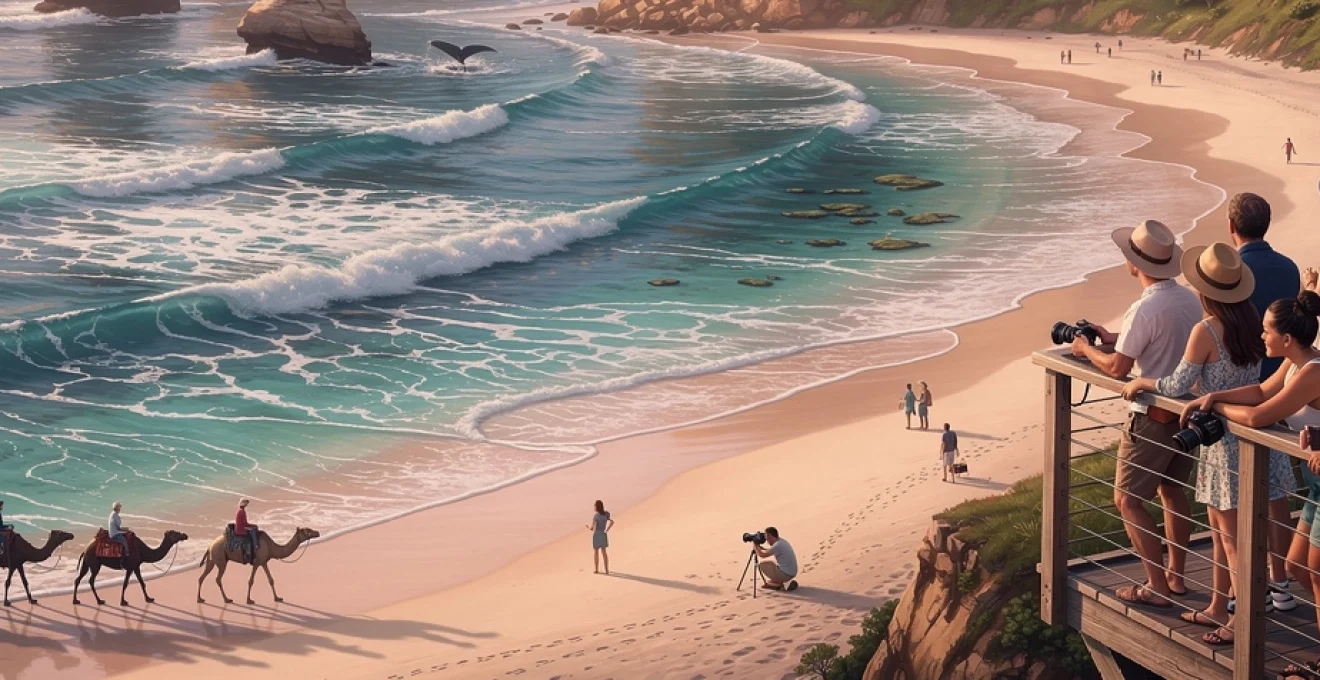
Australia’s coastline stretches over 36,000 kilometres, offering some of the world’s most breathtaking ocean vistas and diverse marine landscapes. From pristine white sand beaches that seem to glow against turquoise waters to dramatic cliff-top vantage points that provide sweeping panoramic views, the continent’s coastal destinations deliver unparalleled natural beauty. Whether you’re seeking intimate cove experiences, world-class whale watching opportunities, or tropical island paradise settings, Australia’s varied coastal geography ensures spectacular ocean views that captivate visitors from every corner of the globe.
The diversity of Australia’s coastal regions means that each destination offers unique photographic opportunities and viewing experiences. Crystal-clear lagoons perfect for underwater photography sit alongside rugged wilderness areas where ancient geological formations meet the endless ocean horizon. These coastal treasures provide not only stunning visual experiences but also vital ecosystems that support marine wildlife, making them essential destinations for both nature enthusiasts and conservation-minded travellers.
Panoramic Cliff-Top vantage points along australia’s eastern seaboard
The eastern seaboard of Australia presents some of the continent’s most spectacular elevated ocean viewing experiences, where ancient geological formations meet the Pacific Ocean in dramatic fashion. These cliff-top destinations offer photographers and nature enthusiasts unrivalled opportunities to capture sweeping coastal panoramas that extend far beyond the horizon. The combination of varied elevation levels, diverse rock formations, and changing weather patterns creates ever-changing seascapes that provide fresh perspectives throughout different seasons and times of day.
Byron bay lighthouse headland and cape byron marine park vista
Cape Byron stands as Australia’s easternmost point, offering visitors the unique privilege of witnessing the first sunrise on the Australian mainland each day. The historic lighthouse, perched 94 metres above sea level, provides commanding views across the Coral Sea and along the coastline that stretches both north and south. During winter months, this vantage point becomes a premium whale watching location, with humpback whales passing close to shore during their annual migration.
The walking track to the lighthouse winds through coastal rainforest and heath, creating multiple viewing opportunities before reaching the main summit. Marine park waters surrounding Cape Byron support diverse wildlife including dolphins, sea turtles, and seasonal whale populations, making the area significant for both scenic beauty and ecological importance.
Twelve apostles limestone stack formations from great ocean road lookouts
These iconic limestone pillars rise majestically from the Southern Ocean, creating one of Australia’s most photographed coastal scenes. The viewing platforms at Port Campbell National Park provide multiple angles for appreciating these 45-metre tall geological monuments, which have been carved by ocean erosion over millions of years. Changing light conditions throughout the day dramatically alter the appearance of the limestone stacks, with golden hour photography producing particularly stunning results.
The helicopter tours available from nearby Torquay offer aerial perspectives that reveal the full extent of the Twelve Apostles formation and surrounding coastline. Recent geological surveys indicate that ocean erosion continues to shape these formations at a rate of approximately two centimetres per year, making each visit a witness to ongoing natural processes.
Point lookout stradbroke island whale migration observatory
North Stradbroke Island’s Point Lookout provides one of Australia’s premier land-based whale watching experiences, with elevated platforms offering unobstructed views across Moreton Bay. Between June and November, humpback and southern right whales pass within metres of the shoreline, often breaching and displaying surface behaviours clearly visible from the viewing areas. The geological composition of Point Lookout, consisting of ancient sandstone formations, creates natural amphitheatre-style viewing areas that enhance the whale watching experience.
Professional whale watching guides frequently position themselves at Point Lookout during peak migration periods, providing educational commentary about whale behaviour and migration patterns. Dolphin pods are regularly spotted year-round from these vantage points, along with seasonal visits from manta rays and other marine species.
Cape tribulation daintree rainforest coastal interface viewpoints
Cape Tribulation represents one of the world’s few locations where ancient rainforest meets coral reef systems directly at the ocean
Cape Tribulation looks out across the Coral Sea, with several short walking tracks leading to elevated lookouts where you can observe the shifting colours of shallow reef flats and deeper blue channels. Low tide reveals intricate sand patterns, mangrove-fringed inlets and fringing reef structures, while high tide transforms the coastline into a continuous band of emerald forest and turquoise water. For photographers, early morning and late afternoon offer softer light and fewer visitors, ideal for capturing this rare rainforest-reef interface without harsh shadows. As this is a remote and environmentally sensitive area, visitors are encouraged to stay on marked trails and follow local guidelines to minimise impact on both coastal vegetation and adjacent reef ecosystems.
Pristine white sand beaches with turquoise water photography opportunities
Australia’s reputation for dazzling white sand beaches and luminous turquoise water is well deserved, with several locations consistently ranking among the world’s best coastal destinations. These shorelines combine high-purity silica or quartz sands with shallow, clear waters that reflect and refract sunlight in striking shades of blue and green. For travellers seeking spectacular ocean views, these beaches offer not only idyllic swimming and snorkelling conditions but also exceptional conditions for landscape, drone and underwater photography. Careful timing around tides, seasons and crowds can help you experience these iconic shores at their most serene.
Whitehaven beach whitsunday island silica sand composition
Whitehaven Beach, located on Whitsunday Island within the Great Barrier Reef Marine Park, is renowned for its almost pure silica sand, comprising approximately 98 percent quartz silica. This unusual sand composition means the beach stays cool underfoot even on hot summer days, making it particularly comfortable for long shoreline walks and extended photo sessions. The swirling patterns visible from the Hill Inlet lookout are created as tidal currents move the fine silica sand through the estuary, producing intricate marbled designs of white and turquoise that change daily. Many visitors opt for heli or seaplane flights to capture these aerial views, while guided boat tours allow you to explore both the northern and southern sections of the beach.
Because Whitehaven Beach sits within a protected marine park, strict environmental regulations help preserve the clarity of the water and the integrity of the sand. You are encouraged to avoid taking sand as a souvenir and to use reef-safe sunscreen to protect nearby coral ecosystems. Visiting outside peak school holiday periods can significantly reduce crowd levels, enhancing both your ocean viewing experience and your photography opportunities. For those planning an extended stay in the Whitsundays, combining a day at Whitehaven with overnight anchorage in the surrounding bays provides access to changing light conditions and quieter early-morning vistas.
Cable beach broome camel trekking sunset perspectives
Cable Beach in Broome stretches for 22 kilometres along the Indian Ocean, providing one of Australia’s most iconic sunset viewing locations. The vast west-facing shoreline means that, on clear evenings, the sun appears to sink directly into the water, casting golden and crimson hues across mirrored tidal flats. One of the most distinctive ways to experience these spectacular ocean views is on a camel trek, with operators offering late-afternoon and sunset rides along the firm sand. From this elevated, gently swaying vantage point, you gain uninterrupted perspectives of the horizon and the changing colours of sea and sky.
The broad beach and relatively shallow gradient create expansive reflective surfaces at low tide, which can double the visual impact of the sunset in your photographs. During the dry season (typically May to October), conditions are generally stable, with relatively low humidity and clear skies that favour sunset viewing and night-sky photography. Visitors should remain aware of seasonal marine stingers and follow local advice regarding swimming, particularly between November and April. Four-wheel-drive access is permitted on parts of the beach, offering additional angles on the coastline, but it is important to check tide times carefully to avoid becoming stranded by rapidly rising water.
Hyams beach jervis bay marine park crystal clear waters
Hyams Beach, on the shores of Jervis Bay in New South Wales, is famed for its exceptionally white sand, which contrasts dramatically with the clear, sheltered waters of the bay. The beach faces north-east, providing soft morning light that illuminates the gentle turquoise shallows and creates ideal conditions for long-exposure seascape photography. As part of the broader Jervis Bay Marine Park, the waters off Hyams support seagrass meadows, small reef systems and a variety of marine life, including dolphins, rays and seasonal visiting whales further offshore. Snorkellers and swimmers benefit from typically calm conditions and good underwater visibility, particularly on days with low wind and minimal swell.
To fully appreciate the coastal scenery, many visitors combine time on the sand with the White Sands Walk, which links Hyams to neighbouring beaches and offers elevated viewpoints through coastal forest. Because Hyams Beach can become very busy on weekends and in peak holiday seasons, arriving early or visiting on weekdays can help you experience a quieter, more intimate setting. Local authorities occasionally restrict parking when visitor numbers exceed sustainable levels, so it is wise to check current access conditions before travelling. By respecting signage and sticking to marked paths, you contribute to the preservation of fragile dune systems that help maintain the clarity and quality of the adjacent ocean waters.
Wineglass bay freycinet peninsula granite coastline formation
Wineglass Bay, on Tasmania’s Freycinet Peninsula, is distinguished by its perfect crescent shape and backdrop of pink-hued granite peaks known as The Hazards. The main lookout, reached via a steep but well-maintained trail, provides one of Australia’s most celebrated coastal panoramas, with sweeping views across the bay’s white sand, deep blue waters and enclosing headlands. This contrast between pale shoreline, dark forested slopes and exposed granite create powerful compositional elements for landscape photography. At different times of day, the granite reflects varying tones, from warm orange at sunrise to soft pink during the golden hour.
For those seeking alternative perspectives, continuing the track down to the beach allows you to frame the surrounding mountains from sea level, while boat tours and sea kayaks provide outward-looking views back towards the shore. The sheltered nature of Wineglass Bay often results in relatively calm water, making it an attractive location for swimming and reflective water shots when conditions allow. As the area sits within Freycinet National Park, visitor numbers are managed through facilities such as designated lookouts and marked trails to protect both coastal vegetation and marine habitats. Planning your visit outside the peak summer period can reward you with quieter paths, cooler hiking conditions and moodier ocean views framed by Tasmania’s changing weather systems.
Secluded cove destinations for intimate ocean viewing experiences
Beyond the famous stretches of sand and high-profile lookouts, Australia’s coastline hides numerous secluded coves where you can enjoy intimate, almost private ocean viewing experiences. These smaller inlets are often sheltered by headlands or reefs, which soften incoming swells and create calm, glassy water ideal for quiet contemplation or low-impact swimming. Many require short hikes, 4WD access or boat transfers, but the reward is a sense of seclusion that can be hard to find at larger, more accessible beaches. For travellers and photographers who prefer tranquil environments and subtle details over expansive crowds, these coves can feel like personal coastal sanctuaries.
On the east coast, locations such as Tea Tree Bay in Noosa National Park and Zoe Bay on Hinchinbrook Island offer lush, forested backdrops and shallow, clear shorelines where you can listen to the gentle lap of water against the sand. In Western Australia, hidden pockets around Esperance and Cape Le Grand—like Lucky Bay’s neighbouring coves—provide sheltered corners with blindingly white sand framed by granite boulders. These destinations are particularly suited to slow, observational photography, where you might focus on rock pools, wave patterns or the play of light on wet sand. Because access is often via unsealed roads or walking tracks, it is important to plan ahead with suitable footwear, water and awareness of tide and weather conditions.
Tropical island archipelagos with multi-directional seascape views
Tropical island archipelagos such as the Whitsundays, the Cocos (Keeling) Islands and Western Australia’s Houtman Abrolhos offer ocean views in every direction, often with 360-degree panoramas from even modest elevations. Surrounded by coral reefs, sand cays and channels of differing depths, these islands present striking gradients of blue that shift with the sun’s angle and tidal movement. For visitors, this means you can watch sunrise on one side of an island and sunset on the other, often within a short walk or buggy ride. The combination of resort infrastructure, walking trails and dedicated lookouts allows you to choose between fully serviced experiences and more independent exploration.
Hamilton island whitsundays resort accommodation ocean terraces
Hamilton Island serves as a major gateway to the Whitsundays, with many resort rooms and apartments oriented to maximise uninterrupted Coral Sea views. Ocean-facing terraces and balconies effectively become private viewing platforms, allowing you to watch passing sailing boats, shifting tidal currents and distant island silhouettes without leaving your accommodation. Higher-elevation properties around the island’s central ridge provide especially wide vistas, where you can observe weather systems moving across the archipelago much like watching a slow-motion film. For those who prefer active exploration, walking trails such as the Passage Peak track lead to panoramic lookouts that offer some of the best seascape views in Queensland.
Hamilton Island’s marina and waterfront promenades also provide low-elevation perspectives ideal for golden hour photography, when the setting sun reflects off moored yachts and calm harbour waters. Because the island is largely car-free, with buggies and shuttle buses providing transport, viewpoints remain relatively free from traffic noise, helping maintain a relaxed coastal atmosphere. Visitors planning a “top coastal destinations” itinerary often combine Hamilton Island with day trips to Whitehaven Beach, Heart Reef flyovers or snorkelling excursions on nearby fringing reefs. Booking sea-facing accommodation well in advance of peak travel periods ensures you can fully capitalise on the multi-directional ocean views that make the island so sought after.
Lizard island great barrier reef research station coral gardens
Lizard Island, on the northern Great Barrier Reef, combines luxury resort facilities with a significant scientific presence through the Lizard Island Research Station. This dual identity has helped preserve the island’s remarkably clear waters and vibrant coral gardens, which are accessible directly from shore at locations such as Watsons Bay and Anchor Bay. From elevated vantage points like Cook’s Look, you can appreciate the full extent of the surrounding reef platform, with its patch reefs, sand channels and deep blue drop-offs forming complex patterns. These views highlight how the reef functions as both a physical barrier and a living structure, similar to a vast, submerged city seen from above.
Snorkellers and divers benefit from minimal travel time between accommodation and reef sites, with several world-class coral bommies and clam gardens within a short boat ride. For ocean-view enthusiasts who may not dive, glass-bottom boat tours and shallow snorkelling sites still provide excellent visibility of coral formations and reef fish. As a relatively remote island, Lizard requires careful advance planning, including charter flights or specialised transfers, but this remoteness also translates into low visitor numbers and uncrowded lookouts. Environmental protocols are strictly enforced, so you are encouraged to follow the guidance of researchers and guides to help protect these delicate coral ecosystems while enjoying their beauty.
Rottnest island perth quokka wildlife photography coastal trails
Rottnest Island, located offshore from Perth, is renowned for its friendly quokka population and extensive network of coastal trails that connect over 60 beaches and bays. From lookout points such as Parker Point and West End, you can take in sweeping views of the Indian Ocean, offshore reefs and rugged limestone cliffs that have been sculpted by wind and waves. The island’s relatively low elevation means that even modest rises offer broad seascapes, especially striking on days when offshore winds polish the water surface into a deep, reflective blue. Cycling is the primary mode of transport for visitors, turning the island’s perimeter roads into scenic routes where you can stop frequently to enjoy changing vistas.
For photographers combining wildlife and coastal scenery, quokka encounters near Thomson Bay and around shaded inland paths can be followed by late-afternoon sessions at western-facing beaches. Here, rock pools, reef breaks and distant cargo ships on the horizon provide varied subjects against the backdrop of the setting sun. As Rottnest sits within a protected marine reserve, snorkelling at sheltered spots like Little Salmon Bay or The Basin reveals eelgrass beds, limestone ledges and schools of reef fish. Visitors are encouraged to maintain respectful distances from wildlife, both on land and in the water, to ensure that this delicate balance between tourism, conservation and spectacular ocean views is preserved.
Rugged coastal wilderness areas for advanced nature photography
Australia’s more remote coastal wilderness regions appeal to travellers and photographers who are comfortable with rougher conditions and more self-reliant exploration. Locations such as Western Australia’s Cape Le Grand National Park, South Australia’s Eyre Peninsula and Tasmania’s Tarkine Coastline feature dramatic rock formations, powerful swells and often changeable weather. These elements combine to create dynamic, sometimes challenging ocean scenes where light, cloud and wave action shift rapidly, rewarding patient observers with truly memorable images. For those seeking top coastal destinations that feel wild and untamed, these areas offer a stark contrast to the manicured beach resorts found elsewhere.
Access to many of these wilderness coasts involves unsealed roads, long drives between services and, in some cases, multi-day hikes. Much like preparing for a backcountry mountain trip, you need to consider safety factors such as tide times, swell forecasts, cliff stability and limited mobile reception. In return, you gain the opportunity to photograph features like sea arches, blowholes, ancient dunes and wave-battered headlands without large crowds. The Southern Ocean, which meets much of southern Australia’s coastline, is particularly known for its energy and mood, often producing scenes reminiscent of northern Atlantic coasts but with unique Australian flora and wildlife.
Because conditions can be harsh—strong winds, sudden showers and cold temperatures even outside winter—it is essential to protect both yourself and your equipment. Weather-sealed camera gear, dry bags and layered clothing can make the difference between cutting a session short and staying long enough for the perfect break in the clouds. Ethical photography practices are especially important in these sensitive environments: staying back from cliff edges, avoiding nesting areas of seabirds and respecting any Indigenous cultural sites or signage. When approached thoughtfully, these rugged coastal wilderness areas can deliver some of the most powerful and evocative ocean imagery in the country.
Seasonal whale watching hotspots with elevated observation decks
Australia’s extensive whale migration routes make it one of the world’s premier destinations for shore-based whale watching, with many coastal headlands and purpose-built platforms designed to maximise viewing. Every year, an estimated 40,000-plus humpback whales travel along the east coast between May and November, while southern right whales favour sheltered bays in South Australia, Victoria and Western Australia. Elevated observation decks at key locations such as Hervey Bay, Eden, Victor Harbor and Albany allow you to scan wide sections of ocean, increasing your chances of spotting blows, tail slaps and breaches. For travellers building an itinerary around spectacular ocean views, timing your visit to coincide with migration seasons adds an extra layer of excitement to coastal landscapes.
Hervey Bay in Queensland is often described as the “whale watching capital of Australia,” thanks to its position as a resting ground where humpbacks linger and interact in relatively calm waters. From Urangan Pier and nearby lookouts, you can observe whales within the shelter of K’gari (Fraser Island), with boat tours offering closer—but carefully regulated—encounters. Further south, New South Wales headlands like Cape Byron, Point Lookout on North Stradbroke Island and various Sydney coastal walks provide reliable vantage points during peak migration. On the southern coastline, towns such as Warrnambool, Victor Harbor and the Head of Bight have developed dedicated whale viewing platforms where you might also see calves practising their first breaches.
When planning whale watching from land, it helps to think like a mariner scanning the horizon. Binoculars or a telephoto lens can dramatically enhance your experience, allowing you to pick out distant blows that might otherwise go unnoticed. Calm days with minimal wind often make it easier to see surface activity, as whitewater from breaches and blows stands out clearly against darker seas. Interpretive signs at many observation decks explain typical behaviours and migration timelines, turning each sighting into an educational moment. By combining these elevated viewpoints with patience—and perhaps a thermos of coffee for those cooler mornings—you greatly increase your chances of witnessing some of the ocean’s most impressive mammals against the backdrop of Australia’s dramatic coastlines.