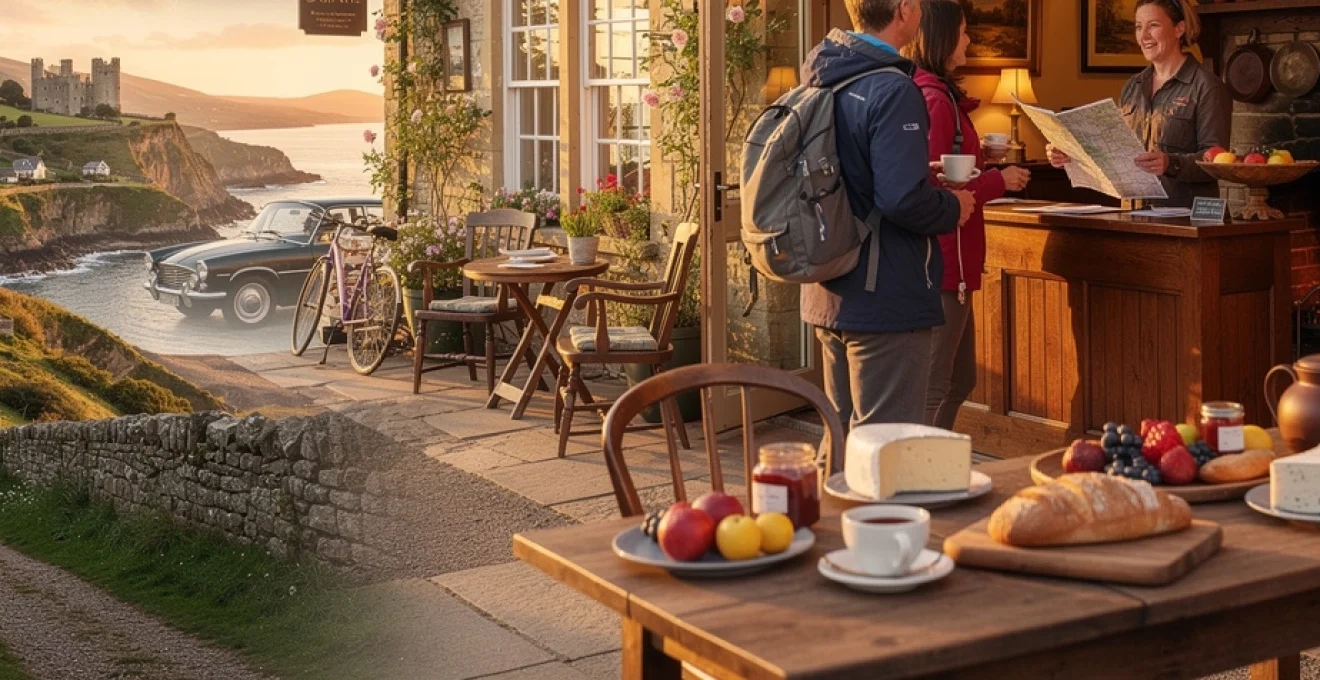
In an increasingly homogenised world of algorithm-driven recommendations and standardised hotel experiences, travellers are rediscovering the distinctive appeal of traditional inns and bed-and-breakfast establishments. These intimate accommodations offer something that large chain hotels fundamentally cannot replicate: genuine connection to place, authentic architectural heritage, and personalised hospitality rooted in centuries-old traditions. The resurgence of interest in B&Bs represents more than nostalgia; it reflects a profound shift in how discerning travellers define value in their journeys. Rather than seeking convenience alone, today’s guests increasingly prioritise meaningful experiences that connect them to the character, culture, and community of their destinations.
Recent data from tourism boards across the United Kingdom reveals that over 73% of international visitors now actively seek accommodations that reflect local heritage and provide authentic cultural immersion. This trend has breathed new life into Britain’s network of traditional guesthouses, many occupying buildings with histories spanning several centuries. Unlike the transactional nature of large hotel chains, these establishments invite you into spaces where every creaking floorboard, original beam, and carefully preserved architectural detail tells a story that extends far beyond your brief stay.
Architectural heritage and period features that define traditional inns and B&Bs
The physical structures housing Britain’s finest bed-and-breakfast establishments represent living museums of architectural evolution. These buildings embody craftsmanship traditions that have largely disappeared from modern construction, offering guests tangible connections to the past through their very fabric. When you cross the threshold of a traditional inn, you’re not simply entering a place to sleep—you’re stepping into a carefully preserved chapter of architectural history that speaks to regional building traditions, historical prosperity, and the evolution of domestic spaces across centuries.
Georgian and victorian structural elements in british guesthouses
Georgian architecture, spanning roughly 1714 to 1830, brought remarkable symmetry and classical proportions to British residential buildings. Many of today’s most distinguished B&Bs occupy Georgian townhouses characterised by their balanced facades, sash windows with slim glazing bars, and elegant proportions that follow mathematical ratios derived from ancient Roman principles. These properties often feature entrance halls with decorative cornicing, original staircases with turned balusters, and reception rooms with ornate ceiling roses that frame period chandeliers.
Victorian-era guesthouses, dating from 1837 to 1901, showcase more eclectic architectural ambitions. You’ll encounter properties with distinctive bay windows, decorative brickwork featuring contrasting colours and patterns, and elaborate terracotta detailing. Internal features frequently include encaustic floor tiles in entrance hallways, stained glass windows on staircase landings, and substantial timber doors with original brass fittings. These buildings represent the Victorian fascination with craftsmanship and ornamentation, creating interiors that feel substantially different from the minimalist aesthetics dominating contemporary hotel design.
Exposed timber beams and original fireplaces as authentic design markers
Nothing signals authenticity quite like the structural honesty of exposed timber framing. Medieval and Tudor-period inns, particularly those in regions like the Cotswolds and East Anglia, showcase massive oak beams that have supported these buildings for five centuries or more. These structural elements weren’t merely functional—the quality and arrangement of timbers signalled the original owner’s wealth and status. When you sleep beneath a ceiling supported by hand-hewn oak beams, darkened by centuries of woodsmoke and age, you’re experiencing architectural authenticity that cannot be manufactured or replicated.
Original fireplaces serve as focal points in traditional B&B common rooms and bedrooms, ranging from grand stone surrounds in coaching inns to more intimate cast-iron Victorian grates in townhouse guesthouses. Many establishments maintain working fireplaces, offering you the sensory experience of wood fires during colder months—the particular scent, the dancing light, and the radiant warmth that central heating simply cannot duplicate. These features transform functional heating elements into gathering points that encourage the kind of unhurried conversation and relaxation increasingly rare in modern life.
Historic building preservation standards for listed accommodation properties
Approximately 40% of Britain’s traditional B&B establishments occupy listed buildings, meaning they’re protected by law due to their special architectural or historic interest. Properties
must comply with strict conservation guidelines when undertaking even modest alterations. Owners work closely with local conservation officers to ensure that any repairs, refurbishments, or modernisations respect original materials, proportions, and construction techniques. This can mean sourcing lime-based mortars instead of modern cement, repairing original sash windows rather than replacing them with uPVC, or reinstating traditional paint colours based on historic research.
For travellers, these preservation standards translate into a high level of architectural authenticity during their inn or B&B stay. Modern comforts such as upgraded plumbing, discreet insulation, and improved heating are carefully integrated so as not to compromise period details. You might find concealed wiring routed through existing voids, secondary glazing that preserves original window frames, or bathrooms cleverly installed in former dressing rooms. The result is a harmonious blend of past and present: you enjoy reliable hot water and strong Wi-Fi without sacrificing the building’s historic soul.
Listed status also often requires that external features remain visually consistent with the surrounding streetscape or landscape. Rooflines, chimneys, stonework, and even traditional signage are maintained in ways that preserve the character of entire villages and historic quarters. When you choose a listed inn or heritage B&B, you’re not only booking a room—you’re actively participating in the ongoing story of conservation, helping to fund the meticulous upkeep that keeps these architectural treasures alive for future generations.
Cottage-style architecture in rural B&B establishments
Beyond grand townhouses and coaching inns, many of Britain’s most charming B&Bs occupy modest cottage-style buildings that embody rural vernacular architecture. Think low, whitewashed stone walls, steeply pitched slate or thatched roofs, and casement windows framed by climbing roses or wisteria. These cottages evolved from practical agricultural needs and local materials rather than formal architectural fashions, which is why each region’s bed-and-breakfast cottages look subtly different in form and detail.
In the Cotswolds, for example, honey-coloured limestone and distinctive stone roof tiles create instantly recognisable silhouettes, while in Devon and Cornwall, thick, lime-rendered walls and thatch reflect a maritime climate. Inside, rural B&B cottages often feature low ceilings, irregular room shapes, and deep window seats set into thick walls—quirks that modern hotels seldom dare to replicate. As a guest, these spaces feel inherently cosy and human-scaled, almost like stepping into a storybook illustration rather than a commercial property.
Because many cottage-style B&Bs originated as farm workers’ dwellings or smallholdings, you’ll frequently find outbuildings converted into additional guest rooms or communal lounges. Old stables, dairies, and granaries become characterful annexes, preserving original stonework or timber while adding underfloor heating and comfortable beds. For travellers seeking authenticity in accommodation, cottage-style inns and rural guesthouses offer a direct, tactile connection to Britain’s agricultural past, while still providing the comforts expected of contemporary stays.
Personalised guest service models versus chain hotel standardisation
If architecture provides the stage for authentic travel experiences, then service is the script that brings them to life. One of the clearest distinctions between traditional inns or B&Bs and chain hotels lies in their approach to hospitality. Where large brands rely on standard operating procedures and uniform guest journeys, smaller properties thrive on flexibility, intuition, and genuine human connection. This doesn’t mean a lack of professionalism—quite the opposite. It means service that adapts to you as an individual rather than treating you as a booking reference.
Owner-operated hospitality and direct host-guest interaction protocols
Most authentic inns and B&Bs are owner-operated, meaning the people who greet you at the door are often the same ones who handle reservations, cook breakfast, and tend the garden. This continuity of care fosters a level of accountability and pride that’s difficult to match in larger, more anonymous operations. When your host personally walks you through the property, points out how the old staircase leans slightly from centuries of use, and offers to adjust breakfast time to suit your schedule, you feel the difference immediately.
Owner-operators typically develop their own informal “protocols” for guest interaction, built on observing what travellers genuinely appreciate rather than following a corporate script. Some hosts adopt a warmly conversational style, learning your interests and tailoring suggestions accordingly, while others provide a more discreet, concierge-like presence. Crucially, you are not obliged to engage more than you wish. The best B&B hosts quickly read social cues, offering help when needed and stepping back when you prefer privacy. This responsive, human-led model of hospitality is a defining feature for travellers seeking authenticity.
Because decision-making sits with the owners, they can also implement thoughtful touches at short notice—preparing a packed breakfast if you have an early ferry, setting up a quiet workspace if you need to handle emails, or lighting the fire in the lounge when the evening turns unexpectedly chilly. These gestures may seem small, but together they create the sense that you are being cared for as a person rather than processed as a booking.
Bespoke breakfast menus featuring regional produce and home cooking
Breakfast in an inn or B&B is rarely a perfunctory buffet; it’s a daily ritual that anchors your stay and showcases the region. While chain hotels often rely on centralised procurement and standard menus, independent hosts have the freedom to design bespoke breakfast offerings that change with the seasons and spotlight local producers. You might find free-range eggs from the farm down the lane, sausages from a fourth-generation village butcher, or jams made with fruit from the garden outside your window.
This “farm-to-table” approach at breakfast allows B&Bs to cater to individual preferences in a way large properties struggle to match. Vegan, gluten-free, or dairy-free? Rather than pointing you towards a limited selection of packaged items, many hosts will plan and cook specific dishes for you—perhaps oat milk porridge with seasonal berries, grilled tomatoes on sourdough, or a full plant-based cooked breakfast. It’s a bit like having a small, private restaurant that knows your tastes and dietary needs before you even sit down.
For travellers seeking an authentic experience, these bespoke breakfast menus do more than satisfy hunger. They provide an edible introduction to local culinary traditions—whether that’s smoked kippers in the Lake District, haggis and tattie scones in Scotland, or laverbread and cockles in coastal Wales. Breakfast becomes a daily insight into place, culture, and seasonality, making your stay feel anchored in the destination rather than detached from it.
Customised local itinerary planning and insider knowledge sharing
One of the most underrated advantages of staying in an inn or B&B is access to hosts who are deeply embedded in their communities. While hotel concierges can certainly recommend major attractions, B&B owners often provide something more nuanced: personalised itineraries shaped by lived experience and long-term relationships with local businesses. They know when the footpaths are at their quietest, which independent cafés serve the best coffee, and which heritage sites are hosting special events that week.
Instead of relying on generic online lists, you can sit down over a map and design a day that suits your pace and interests. Prefer a quiet circular walk with a pub at the halfway point? Your host can suggest a route and even call ahead to reserve a table. Interested in artisan workshops, local markets, or little-known viewpoints for photography? They can point you to places you might never discover via a search engine. This insider knowledge effectively turns your inn or B&B into an informal hub for experiential travel.
For guests seeking deeper cultural immersion, such personalised guidance can be transformative. You shift from ticking off attractions to understanding the rhythms and stories of a place. The experience is less like following a tourist trail and more like visiting a well-informed friend who happens to know all the best corners of their town or countryside.
Flexible check-in procedures and individual guest requirement accommodation
Another hallmark of authentic inns and B&Bs is flexibility around logistics—within reason, of course. Because there is no corporate policy dictating a rigid process, many hosts can accommodate early arrivals, late check-ins, or mid-day rest periods if you communicate ahead of time. You might receive self-check-in instructions for a late-night arrival, or be invited to leave your bags and enjoy tea in the lounge while your room is prepared after an early train.
Flexibility also extends to individual requirements that chain hotels often overlook or treat as add-ons. Need a secure place for your bicycle or walking gear? Many inns along popular routes have dedicated storage areas and drying rooms. Travelling with a baby and require a cot, bottle sterilising, or access to a fridge? Hosts can usually adjust their routines to accommodate you. Working remotely and needing a quiet corner with reliable Wi-Fi? A small sitting room can quickly be transformed into a comfortable ad-hoc office space.
This practical adaptability is particularly valuable for travellers undertaking complex itineraries—multi-day hikes, road trips, or heritage trail journeys—where plans can shift with the weather or transport changes. Knowing that your accommodation is run by people empowered to make decisions on the spot offers reassurance and reduces the friction that sometimes accompanies travel.
Cultural immersion through location-specific B&B experiences
Authenticity in travel is often less about seeing “the sights” and more about feeling the distinctive character of a region. Because many inns and B&Bs are woven into the historic and cultural fabric of their surroundings, they serve as ideal bases for immersive experiences. From their architecture and décor to their breakfast tables and suggested day trips, these properties act as gateways into the landscapes and traditions that define each part of Britain.
Cotswolds stone-built inns and countryside authenticity
The Cotswolds is almost synonymous with pastoral English charm, and its stone-built inns play a central role in that identity. Constructed from the region’s warm, honey-toned limestone, these buildings glow in soft light and weather beautifully over time. Staying in a Cotswold inn or B&B means waking up to views of dry-stone walls, rolling fields, and church spires—a living postcard that feels both idyllic and authentic rather than staged.
Many Cotswold guesthouses originated as coaching inns or farmhouses, and their layouts often still reflect those origins: low-beamed snug bars, flagstone floors, and former stables converted into guest rooms. Hosts typically have deep roots in the area and can guide you towards lesser-known walking routes between villages, seasonal events like lambing or local fairs, and independent producers—cheesemakers, wool merchants, craft breweries—who keep regional traditions alive.
For travellers seeking authenticity in accommodation, a Cotswolds stone inn offers more than a picturesque backdrop. It allows you to experience the region at a slower, more local pace: lingering over a hearty breakfast before wandering out on foot, returning for an evening by the fire, and gradually coming to recognise the landmarks and faces of a small community.
Scottish highland B&Bs offering whisky trail and castle route access
In the Scottish Highlands, landscape and culture are inseparable, and B&Bs often position themselves as gateways to both. Many occupy traditional stone houses or converted crofts with sweeping views of lochs, glens, or rugged coastlines. From your breakfast table, you might glimpse a hill you’ll climb later that morning, or a loch-side road that forms part of your day’s journey along a whisky trail.
Highland B&B hosts are typically adept at helping guests navigate the region’s rich heritage, from iconic castles to family-run distilleries. Curious about the differences between Speyside and Islay whiskies? Your host may well have a detailed explanation—and a few personal favourites to recommend. Planning to explore castle ruins or ancestral sites? They can suggest routes that pair famous landmarks with quieter, lesser-known spots where you can absorb the atmosphere without the crowds.
Because the Highlands attract many repeat visitors and ancestry travellers, personal stories often flow both ways. Guests share their reasons for visiting, and hosts respond with local lore, clan histories, and practical advice about weather, roads, and wildlife safety. Staying in a Highland B&B becomes less about simply passing through and more about participating in an ongoing conversation between land, history, and community.
Coastal guesthouses in cornwall and devon for maritime heritage exploration
Head southwest to Cornwall and Devon, and you’ll find coastal guesthouses perched above harbours, beaches, and fishing villages with centuries of maritime history. Many of these inns and B&Bs overlook working harbours where fishing boats still come and go, or sit along cliff-top paths on the South West Coast Path. Waking up in such a place, you’re not just near the sea—you’re immersed in a culture shaped by it.
Hosts in these coastal guesthouses are often enthusiastic ambassadors for local maritime heritage. They can direct you to lifeboat stations, smugglers’ coves, old pilchard cellars, and tiny museums that tell stories of shipwrecks, trade routes, and coastal communities. Breakfast might feature locally landed smoked fish, Cornish clotted cream, or regional specialties like saffron buns, giving you a literal taste of the sea’s influence on local cuisine.
Because many guests come specifically for outdoor pursuits—coastal walking, surfing, sailing—these B&Bs are also well-versed in practical support. Expect knowledge of tide times, safe swimming spots, and sheltered routes for blustery days. When you return salt-sprayed and weather-beaten, a warm shower, a place to dry your boots, and a window seat with a harbour view can feel like the very definition of authentic coastal hospitality.
Lake district traditional inns positioned along wainwright walking routes
In the Lake District, traditional inns and B&Bs are intricately linked with the region’s walking culture, particularly the famous Wainwright routes that attract ramblers from around the world. Many properties are strategically located at trailheads or in valleys that serve as natural hubs for day hikes. Their architecture—whitewashed walls, slate roofs, low-beamed ceilings—blends seamlessly into the landscape that inspired poets and painters for generations.
Staying in one of these inns means more than simply having a bed after a long day’s walk. Hosts can offer route advice tailored to current weather, suggest alternative paths if summits are in cloud, and recommend much-loved but less-publicised fells. They understand the rhythm of a walking holiday: early hearty breakfasts, packed lunches for the hills, and generous evening meals to refuel tired legs. Drying rooms, boot racks, and maps in the lounge become as essential as Wi-Fi or television.
For many walkers, the combination of traditional Lake District architecture, walking-friendly amenities, and local knowledge creates a profoundly authentic travel experience. You’re not just visiting the Lakes—you’re participating in a culture of hillwalking and hospitality that has evolved together over decades.
Interior design authenticity: antique furnishings and local artisan décor
Step inside an inn or B&B that prioritises authenticity, and you’ll often notice that the interiors feel curated rather than generic. Instead of identical flat-pack furniture and mass-produced prints, you’re likely to encounter a layered mix of antique pieces, vintage finds, and locally made crafts. This approach to interior design does more than please the eye; it reinforces the sense that you’re staying somewhere with its own story, rather than in a room that could be anywhere in the world.
Antique furnishings—such as oak chests, dressing tables, or four-poster beds—often have direct connections to the property’s history or the surrounding region. Hosts may be able to tell you where a particular piece came from, or how it was restored. Like reading marginalia in an old book, these objects carry visible traces of past use: the patina on a bannister, the worn edge of a writing desk, the slight wobble of a chair leg carefully repaired. For many travellers, these imperfections are not flaws but evidence of authenticity.
Complementing these older pieces, many B&B owners choose to display work by local artisans—ceramics, textiles, paintings, or woodwork. This not only supports the regional creative economy but also ensures that each room reflects its specific location. A seascape by a Cornish painter in a coastal guesthouse, handwoven tweeds in a Highland B&B, or pottery from a Cotswold studio all function as visual anchors to place. Often, guests can purchase similar items or visit the makers’ workshops, turning décor into a bridge between accommodation and wider cultural exploration.
Thoughtful interior design in inns and B&Bs also respects the original character of the building. Instead of erasing period details, owners typically highlight them with sympathetic colour palettes, soft furnishings, and lighting. You might find modern mattresses and high-quality linens on an antique bed, or contemporary reading lamps perched on vintage bedside tables—a careful balancing act between comfort and character. In this way, interior design becomes an act of storytelling, inviting you to inhabit the building’s past while enjoying the comforts of the present.
Farm-to-table dining practices and regional culinary traditions
While breakfast is the cornerstone of most B&B experiences, many inns and guesthouses go further by embracing broader farm-to-table principles and regional culinary traditions. For travellers seeking authenticity, food can be one of the most direct and pleasurable ways to connect with a destination. Eating what the locals eat, in season, and sourced from nearby farms or fisheries, is akin to learning a place’s dialect through its flavours.
In rural areas, some B&Bs are situated on working farms or smallholdings, allowing hosts to serve eggs, milk, meat, or vegetables produced on-site. Others operate in close partnership with neighbouring producers, building menus around whatever is fresh and abundant: asparagus in spring, berries in summer, root vegetables and game in autumn, hearty stews in winter. This seasonal rhythm not only enhances flavour but also aligns your stay with the agricultural calendar, giving a sense of context that’s hard to achieve with standardised hotel menus.
Many traditional inns still offer evening meals in atmospheric dining rooms or snug bars, often featuring classic regional dishes. Imagine sampling Cumberland sausage in the Lakes, Cornish fish stew by the sea, or a Scotch pie and cranachan in the Highlands, all prepared with contemporary attention to quality and presentation. It’s the culinary equivalent of reading a local history book—except that you can taste it. If you have dietary requirements, smaller-scale operations often excel at crafting bespoke dishes rather than offering generic, pre-packaged alternatives.
For guests interested in going deeper, some properties can arrange or recommend food-focused experiences: visits to local cheesemakers, brewery tours, cooking classes with regional recipes, or farm visits where you can see where your breakfast ingredients originated. In an era where many travellers care about sustainability and provenance, this transparent, place-based approach to dining feels not only more authentic but also more responsible.
Community integration and support for local economic ecosystems
Perhaps one of the most significant yet overlooked reasons inns and B&Bs feel so authentic is their embeddedness within local communities. Unlike many chain hotels, which can operate as semi-detached entities on the edge of town, traditional guesthouses are often right in the heart of villages, market towns, or historic quarters. Their owners shop locally, employ local tradespeople, and collaborate with neighbouring businesses, creating a network of mutual support that benefits residents and visitors alike.
When you choose to stay in such accommodation, your spending tends to circulate more directly within the local economy. The room rate you pay helps fund the restoration of a heritage building rather than contributing to distant shareholders. The breakfast ingredients put money into the hands of nearby farmers and producers. Recommendations for independent cafés, bookshops, galleries, or activity providers channel further custom to small businesses that rely on word-of-mouth rather than large marketing budgets.
Many B&B hosts also play informal roles as community ambassadors and connectors. They may help guests navigate local transport, highlight community events such as markets or festivals, or even introduce them to neighbours running complementary businesses—guiding services, craft workshops, boat trips. In rural or fragile economies, this kind of integrated hospitality can make a real difference, helping sustain year-round activity rather than seasonal boom-and-bust cycles.
For travellers who care about responsible tourism, staying in an inn or B&B can be a conscious choice to support the places they visit rather than simply consuming them. You become part of a living ecosystem rather than a transient presence, however briefly. And in return, you’re often rewarded with richer stories, warmer interactions, and a sense of having contributed—however modestly—to the ongoing life of the destination you’ve come to experience.