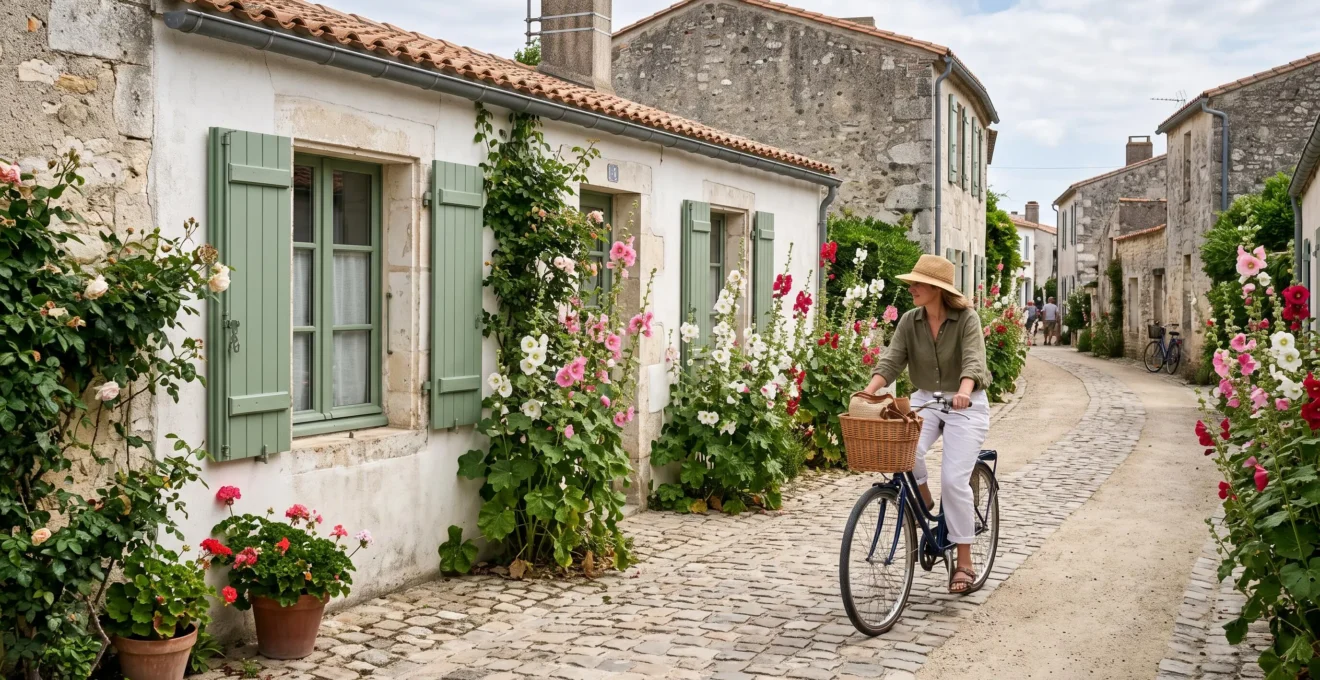
For travellers planning luxury travel in France, the hardest decision is often not “what’s the most famous?” but “what will feel genuinely special once you arrive?” Île de Ré—an Atlantic island off the Charente-Maritime coast—appeals to those who want premium comfort without the high-profile atmosphere of the Riviera.
This guide gives you seven decision-ready reasons to put Île de Ré on your shortlist: distinctive villages, protected landscapes, oyster farming culture, refined wellness options, and practical ways to explore. You’ll also see what to expect in peak season, and how to plan a stay that feels effortless rather than improvised.
How to decide if Île de Ré fits your upscale style
- Choose it if you value discreet luxury: heritage villages, low-rise architecture, and a slower pace than headline destinations.
- Prioritise it for food if you want oysters and local produce in a setting that still feels working and authentic.
- Plan shoulder season for calm, and summer for atmosphere—either way, book early for the most sought-after stays.
- Expect to explore by bicycle and on foot; it’s part of the island’s signature rhythm.
- Why Île de Ré Stands Out Among France’s Luxury Destinations
- What Makes the Island’s Landscapes and Villages So Exceptional?
- Gourmet Experiences: Oysters, Local Produce and Fine Dining
- Refined Ways to Explore: Cycling, Beaches and Upscale Stays
- When Is the Best Time to Visit Île de Ré?
- Plan Your Luxury Escape to Île de Ré
Why Île de Ré Stands Out Among France’s Luxury Destinations
Direct answer: Île de Ré feels luxurious because it pairs preserved island character—villages, marshes, oyster ports—with premium-level comfort, without the crowds and spectacle that can dominate more famous French hotspots.
Set just off the mainland near La Rochelle, Île de Ré is connected by a bridge, so you can reach it without a ferry. That easy access changes the experience: it’s realistic to add the island to a broader France itinerary, yet it still feels “away”—especially once you’re cycling between villages or watching the tide empty a harbour.
What distinguishes the island from better-known luxury destinations is its understatement. Instead of designer boutiques and nightlife as the main event, the island’s premium appeal tends to come from space, light, local craft, and a sense of everyday authenticity—whitewashed houses with green shutters, working oyster cabins, salt marsh landscapes, and a dining scene that leans on what’s produced close by.
A practical detail that matters for trip planning: crossing the bridge is subject to seasonal bridge toll pricing, with a peak-season rate of €16 for light vehicles from 15 June to 15 September (Charente-Maritime Département; see the official tariff update for conditions and seasonal definitions).
Decision lens: If your idea of a luxury trip is privacy, scenery, and craft-led gastronomy—more “quiet confidence” than “see-and-be-seen”—Île de Ré is worth comparing to Paris extensions or Riviera stays.
What Makes the Island’s Landscapes and Villages So Exceptional?
Direct answer: The island earns a premium visit through protected coastal scenery and villages that remain human-scale—architecturally coherent, easy to explore, and distinct from one another.
Île de Ré is often described through its visual signature: low, bright houses, green shutters, hollyhocks, and a light that feels particularly soft along the Atlantic. For a luxury-minded traveller, the value is not just that it’s pretty—it’s that the island has stayed largely low-rise and legible, which makes it easy to build days around simple pleasures: a morning market, an unhurried cycle ride, an early dinner, then a walk by the harbour.
Not every village carries an official national heritage label—but two of them do, which gives you a checkable benchmark when assessing whether the charm is “real” or just marketing language. official Most Beautiful Villages label recognition applies to Ars-en-Ré and La Flotte, as stated by the association that manages the label.
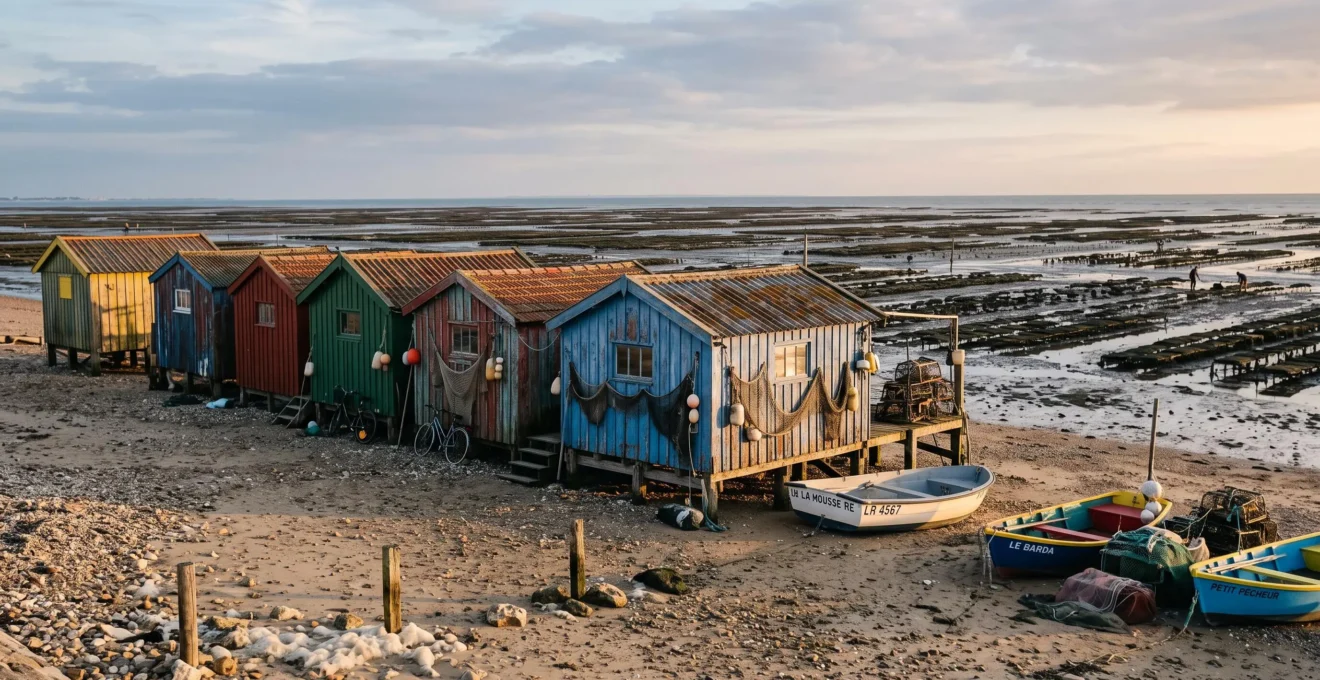
Beyond village streets, the island’s landscapes reward slow travel: salt marshes, dunes, pine woods, beaches, and pockets of vineyards. The real “luxury” effect is how quickly you move between atmospheres—harbour to marsh to open coast—without long transfers.
If you like to evaluate destinations by variety, plan to sample at least a few contrasting stops: a fortified, historic-feeling harbour town, a quieter northern village, and a wilder stretch of coast. Even without chasing a checklist, this is how the island proves it’s not anonymous or generic.
Gourmet Experiences: Oysters, Local Produce and Fine Dining
Direct answer: Île de Ré’s food scene feels high-end when you treat it as producer-led: oyster farming culture, market shopping, and restaurants that build menus around what the island and nearby coast provide.
The most distinctive gourmet experience here is oyster farming. Even for travellers used to fine dining, the memorable moment is often simpler: tasting oysters near the shore, understanding where they come from, and pairing them with a crisp white wine while the tide reshapes the landscape.
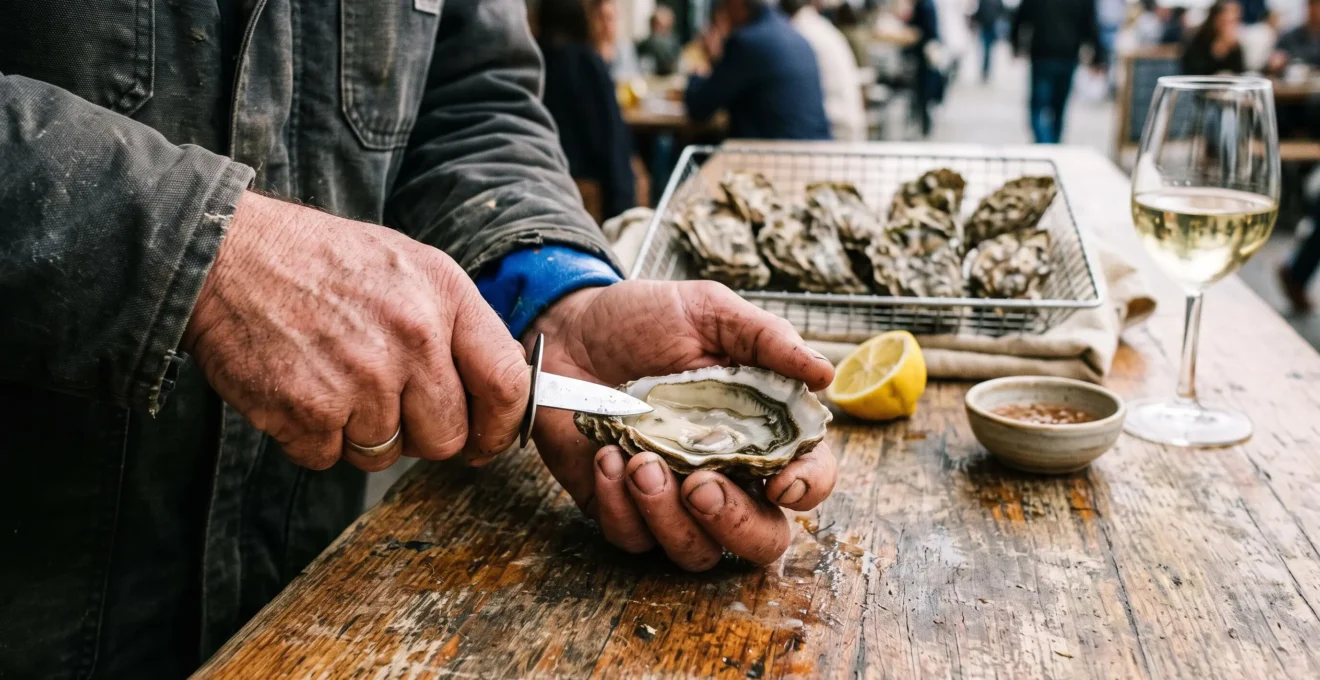
For a refined itinerary, structure a day around two anchors: a market in the morning (for seasonal produce and edible souvenirs) and a longer, reservation-worthy lunch or dinner that highlights local sourcing. This approach makes the island feel premium without relying on showy addresses.
Because the SOURCE_PACK provided for this article verifies wellness listings and heritage labels—but not specific agricultural quality labels—this guide avoids naming official product certifications for oysters or potatoes. If those labels matter to you, verify them directly through French agricultural or destination authorities before you book producer visits.
What should you taste on Île de Ré if you only have two days?
In a short stay, prioritise oysters and a market-led spread of local staples (salt products, seasonal fruit and vegetables, honey-style offerings where available), then choose one restaurant meal focused on seafood or coastal cooking. The goal is not volume; it’s to experience the island’s food identity in settings that still feel connected to working life.
Refined Ways to Explore: Cycling, Beaches and Upscale Stays
Direct answer: A luxury traveller can explore Île de Ré best by cycling between villages, balancing beach time with wellness, and choosing accommodation for location and calm rather than labels alone.
Cycling is the island’s signature mode of travel: it’s flat, scenic, and naturally slows your pace in a way that suits an upscale, experience-first itinerary. This is also where Île de Ré quietly outperforms car-centric destinations—you can link beaches, ports, and villages without constantly thinking about parking or traffic.
This article does not quote the cycling network’s official length in kilometres because no verified figure was provided in the SOURCE_PACK. If distance and route coverage are essential to you, check the official Île de Ré Tourist Office materials when you plan.
Beaches here are varied rather than “one iconic strip”: you’ll find gentler family-friendly areas as well as more open, wind-exposed stretches that feel wilder. For a high-end travel style, that variety matters because you can choose your mood—quiet, active, or scenic—without switching destinations.
For accommodation and recovery, the island also offers structured wellness options. The official Île de Ré Tourist Office site provides official island wellness listings, including names such as Thalacap, Relais Thalasso and HR Spa Marin, which helps you verify what exists before you build your itinerary around spa time.
A simple premium day: what does it look like in practice?
Start with an early cycle ride between two villages while streets are quiet, pause for coffee near a harbour, and keep a long lunch slot for seafood. Mid-afternoon is ideal for either a beach walk or a booked wellness session, then return to your base village for a slower evening. This rhythm is what makes a luxury trip to Île de Ré feel intentional rather than crowded with activities.
When Is the Best Time to Visit Île de Ré?
Direct answer: For many upscale travellers, May–June and September are the easiest windows: pleasant conditions and a more relaxed feel than mid-summer, while still having the island “open” in terms of atmosphere.
If your main objection is crowding, shoulder seasons are the simplest lever you can pull. You’ll typically find it easier to get restaurant reservations, enjoy quieter cycle paths, and choose beaches for solitude rather than convenience.
Summer brings the most energy, longer evenings, and a lively dining scene—but it also demands more advance planning. If you’re aiming for specific villages or wellness-heavy stays, treat July–August as a book-ahead period and build in buffers for transit and parking.
Bridge logistics to factor into timing: The bridge toll has defined peak-season dates (15 June to 15 September, plus certain holiday weekends, per the Charente-Maritime Département), so costs and traffic patterns can differ materially by week.
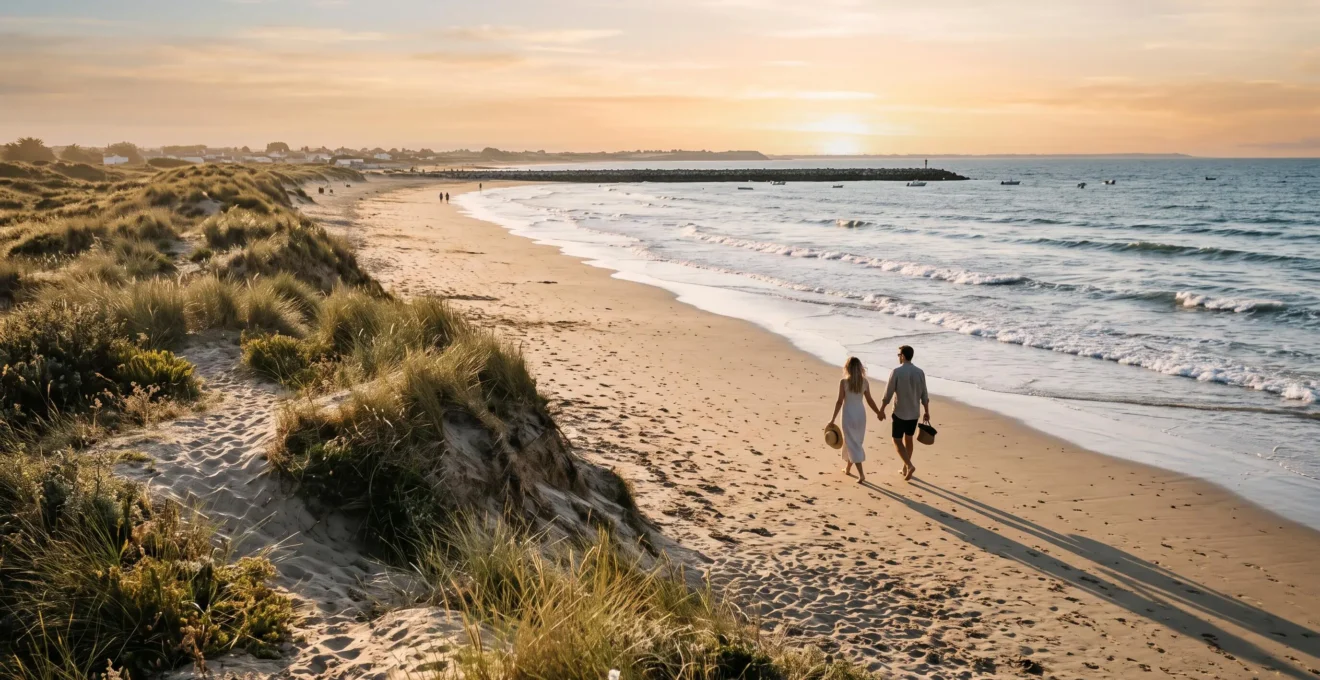
For access, many travellers route via La Rochelle, then cross to the island by bridge. For a premium-feeling arrival, it helps to avoid tight turnarounds: aim to reach your base village with daylight, so your first impression is a harbour walk or a cycle loop—not a scramble for last-minute reservations.
Plan Your Luxury Escape to Île de Ré
Direct answer: Start by matching the island to your priorities—villages, landscapes, food, cycling, wellness, seasonality—then choose one base and build days around a few high-quality anchors, not an overpacked schedule.
Here are the seven reasons you can use as a decision grid against more famous French destinations: (1) easy island access via bridge while still feeling “elsewhere”, (2) discreet, authentic premium atmosphere rather than glitz, (3) coherent villages with a strong visual identity, (4) checkable heritage credibility through official village labels, (5) tide-shaped coastal scenery and marsh landscapes, (6) oyster-led gourmet experiences and market culture, and (7) verifiable wellness options listed by the official Tourist Office.
To turn that into a plan, make three choices early: your season (shoulder vs peak), your base village (what you want within walking distance), and your non-negotiables (one market morning, one oyster moment, one long cycle day, or a dedicated thalasso/spa block). If you’re building a broader itinerary, you can also compare the island with other countryside regions that deliver a slower, landscape-led version of France.
Is Île de Ré a good luxury alternative to the French Riviera?
Does the island really offer a premium travel experience?
How long should you stay on Île de Ré?
When should I plan my stay to enjoy the island at its best?
If you’ve been hesitating because Île de Ré is less famous than Paris or the Côte d’Azur, use the criteria above to decide with clarity: choose it for discreet charm, producer-led gastronomy, and a slower pace that still supports an upscale standard—then plan early enough that the island feels seamless when you arrive.